Disclaimer: These images were generated using artificial intelligence and may contain inaccuracies or inconsistencies.
They are provided solely as a visual aid to facilitate the rapid understanding of the key ideas presented
in these article. Our editorial team conducts ongoing reviews of AI-generated images and will correct
or replace them whenever an error or discrepancy is identified or reported.
Authors:
Bogdan
Patrut
Abstract:
First pages of Issue 3, Volume 14 (2024)
Articles (peer reviewed)
Disclaimer: This image was generated using artificial intelligence and may contain inaccuracies or inconsistencies.
It is provided solely as a visual aid to facilitate the rapid understanding of the key ideas presented
in this article. Our editorial team conducts ongoing reviews of AI-generated images and will correct
or replace them whenever an error or discrepancy is identified or reported.
Authors:
Ioannis
Mavroudis
, Foivos
Petridis
, Dimitrios
Kazis
, Cătălina
Ionescu
, Antoneta
Dacia Petroaie
, Laura
Romila
, Fatima
Zahra Kamal
, Alin
Ciobica
, George
Catalin Morosan
, Bogdan
Novac
, Otilia
Novac
, Alin
Iordache
Abstract:
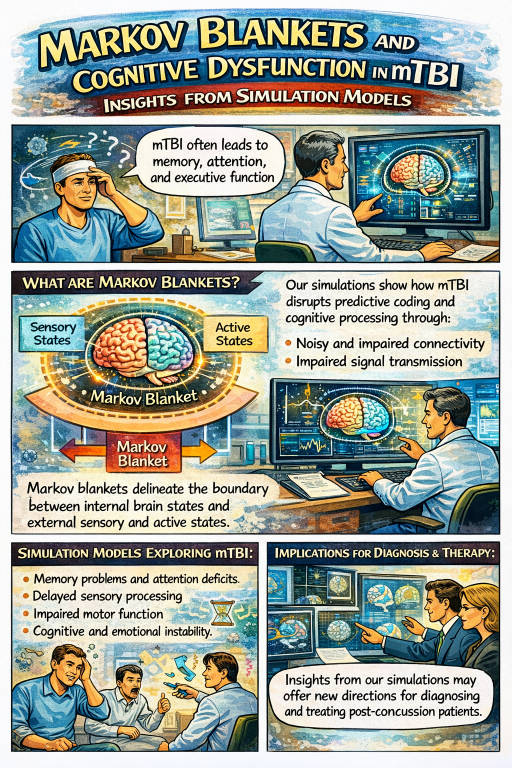
Mild Traumatic Brain Injury (mTBI) is a prevalent neurological condition that can lead to persistent cognitive impairments, disrupting memory, attention, and executive function. In this study, we explore the mechanisms of cognitive decline in mTBI through the lens of Markov blankets"”a theoretical framework that delineates the statistical boundary between the brain's internal and external states. By simulating the impact of mTBI on sensory, active, internal, and external states, we demonstrate how disruptions to the Markov blanket structure contribute to impairments in predictive coding and cognitive processing. Our simulation introduces noise and connectivity reductions that mimic the neurometabolic and synaptic changes following mTBI, revealing delayed sensory processing, impaired motor function, and cognitive instability. These findings highlight the importance of Markov blankets in maintaining cognitive integrity and offer novel insights into the pathophysiology of post-concussion syndrome. Understanding how mTBI disrupts the brain's functional architecture through Markov blanket disturbances may inform more effective diagnostic and therapeutic approaches.
Disclaimer: This image was generated using artificial intelligence and may contain inaccuracies or inconsistencies.
It is provided solely as a visual aid to facilitate the rapid understanding of the key ideas presented
in this article. Our editorial team conducts ongoing reviews of AI-generated images and will correct
or replace them whenever an error or discrepancy is identified or reported.
Authors:
Mayan
Cohen
, David
Roe
, Amit
Baumel
Abstract:
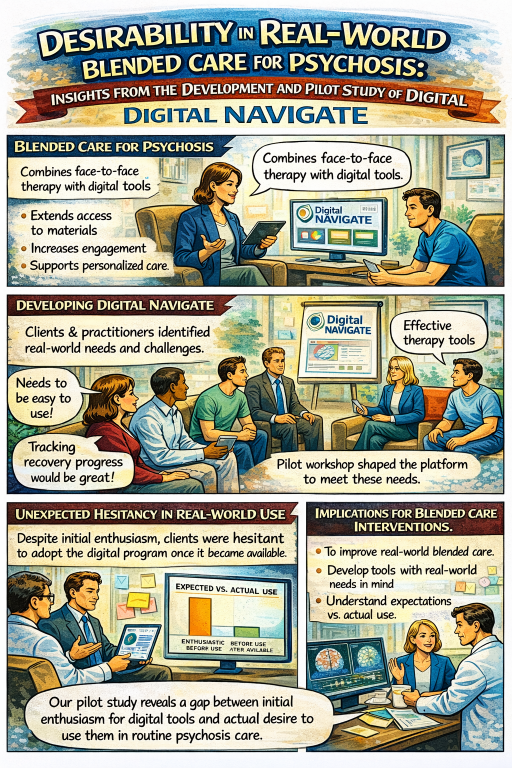
Blended care, a psychosocial intervention merging face-to-face therapy with digital tools, holds significant potential for enhancing psychosis treatment outcomes by extending access and increasing patient engagement with therapeutic materials. Recent blended care interventions for psychosis were solely developed within controlled research conditions, and an attempt to transition one of these interventions into real-world practice yielded inadequate engagement and effectiveness. This suggests that the development context of blended care may significantly impact its implementation potential. This study represents the first attempt to both develop and research a blended care intervention in a real-world setting, directly addressing the specific challenges and unmet needs within NAVIGATE, a coordinated speciality care program for individuals who have experienced a first-episode psychosis. Both clients and practitioners agreed on the potential benefits of integrating digital tools into NAVIGATE, and clients expressed a willingness to adopt them once available. However, when the digital program became available, clients' actual desire to incorporate it into their usual care was unexpectedly low. We observed a strong correlation between clients' expressed desire to use Digital NAVIGATE before engaging with it and their subsequent engagement with the digital tools. These findings highlight a distinction between clients' attitudes towards digital tools adaptation before being offered to use them, and their actual intention and desire to utilize such tools during the treatment they receive. These findings underscore the need to reassess current frameworks for developing and implementing digital mental health tools, particularly within existing mental health programs.
Disclaimer: This image was generated using artificial intelligence and may contain inaccuracies or inconsistencies.
It is provided solely as a visual aid to facilitate the rapid understanding of the key ideas presented
in this article. Our editorial team conducts ongoing reviews of AI-generated images and will correct
or replace them whenever an error or discrepancy is identified or reported.
Authors:
Mária
Giertlová
, Claudia
Misofová
Abstract:
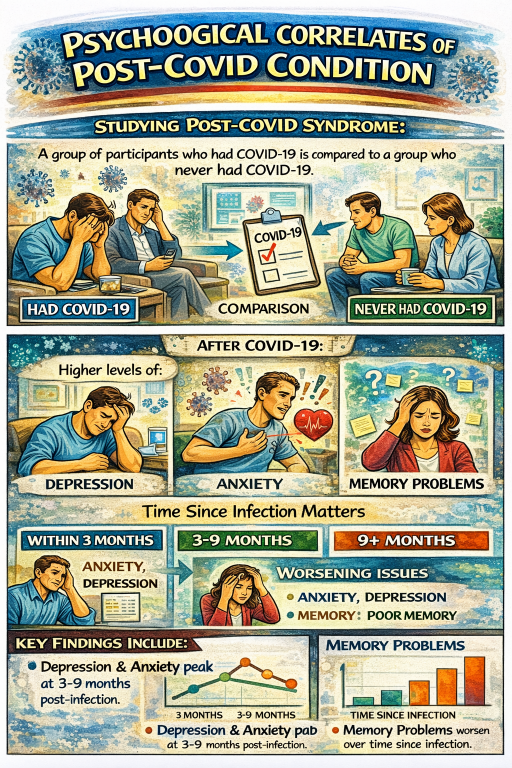
This article deals with psychological correlates of the post-COVID condition - depression, anxiety, and memory problems including remembering and forgetting. The work has a longitudinal character, while it examines the post-COVID condition in a group of participants based on infection of the disease Covid-19. At the same time, participants who never had this disease (N=86, for the 1. measure and N=38 for the 2. measure) are compared with those who were infected with COVID-19 (N=112, for the 1. measure and N=36 for the 2. measure), while participants were separated for analysis in groups based on the time from infection. Group of respondents who were infected within 3 months, from 3-9 months from infection and 9+ months since infecting with the disease. We used tests for comparison, such as the Kruskal Wallis test and multivariate procedures for within-subject and between-subject changes, using Anova for mixed experimental designs. We also determined the risk of being included in a group based on the time of infection with COVID-19 through multinominal logistic regression. We found differences in all variables in general between those infected with COVID-19 and those not. In neuropsychiatric aspects- anxiety and depression were confirmed cyclical features in those who were infected with COVID-19 in time, with the worst value of variables in the group from 3-9 months from infecting with the disease. In the current memory scale and its subscale, the act of remembering was a value that worsened over time and it was confirmed as an effect of group inclusion.
Disclaimer: This image was generated using artificial intelligence and may contain inaccuracies or inconsistencies.
It is provided solely as a visual aid to facilitate the rapid understanding of the key ideas presented
in this article. Our editorial team conducts ongoing reviews of AI-generated images and will correct
or replace them whenever an error or discrepancy is identified or reported.
Authors:
Beril
Susan Philip
, Inès
Chihi
, Girijesh
Prasad
, Jude
Hemanth
Abstract:
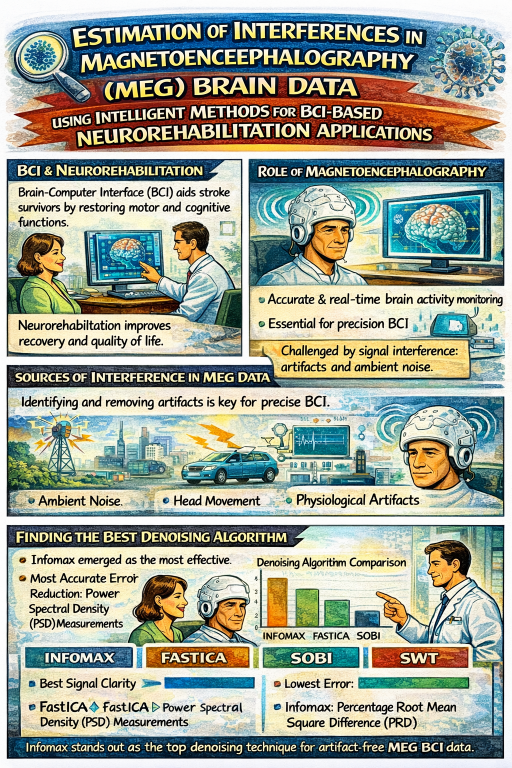
Brain-Computer Interface (BCI) neurorehabilitation offers the potential to improve recovery and quality of life for stroke survivors. It aims to restore lost physical and mental abilities through motor and cognitive therapies. Magnetoencephalography (MEG) signals are a major advancement in BCI technology as they provide accurate and consistent assessments of brain activity for control and interaction applications. MEG is indispensable for recording the magnetic fields produced in the brain during motor imagery tasks due to its capability to evaluate cerebral activity with remarkable temporal resolution. However, one of the major challenges associated with MEG recording is the loss of signal quality due to physiological artifacts and ambient noise. Additionally, the head movement of the individual during the recording process can result in the introduction of artifacts into the recorded data, which can distort the spatial mapping of brain activity. This, in turn, can jeopardize the reliability and accuracy of the results obtained. This study aims to identify the most effective technique for removing artifacts from MEG signals by conducting a comparative performance analysis of prominent denoising algorithms, such as Infomax, FastICA, SOBI, and SWT. The findings conclude that Infomax is the most effective algorithm for removing physiological artifacts from a signal while maintaining the integrity and essential features of the original data. FastICA was found to be the second most effective algorithm. Infomax outperformed FastICA in Power Spectral Density (PSD) and Percentage Root mean square error Difference (PRD) measurements.
Disclaimer: This image was generated using artificial intelligence and may contain inaccuracies or inconsistencies.
It is provided solely as a visual aid to facilitate the rapid understanding of the key ideas presented
in this article. Our editorial team conducts ongoing reviews of AI-generated images and will correct
or replace them whenever an error or discrepancy is identified or reported.
Authors:
Petruț
Florin Trofin
, Maria
Andreea Coteață
, Cezar
Honceriu
, Alin
Stelian Ciobîcă
, Rareș
Alexandru Puni
Abstract:
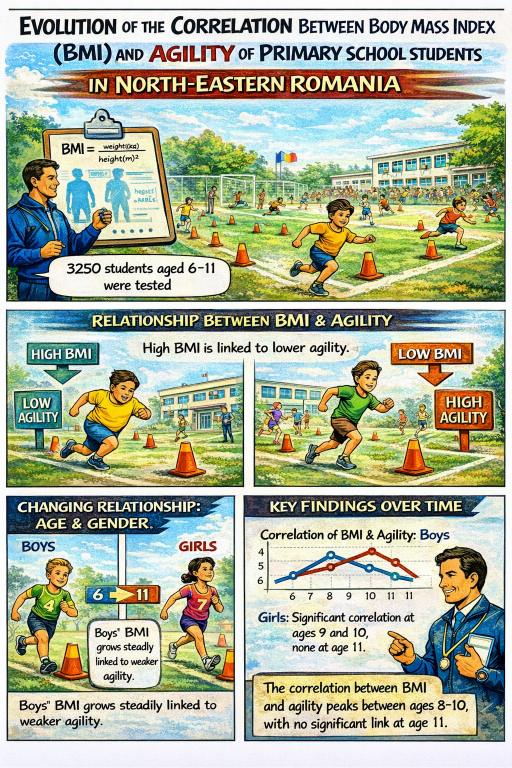
Interacting with children's cognitive processes and mental health status, body mass index (BMI) could be analyzed in relation to motor performance. This study aims to analyse the relationship between BMI and agility of primary school students in the northeast of Romania. Hypothesis testing was done by analyzing data obtained from 3250 pupils (1605 girls and 1645 boys) aged 6 to 11 years old from the North-East of Romania. BMI was calculated based on height and weight, as well as agility through the 505 change of direction speed test. The sample was divided according to gender and age, and the differences and correlations were analysed. We assumed that our sample has a significant correlation of BMI with agility and that its strength increases with age, based on neural maturation. Children's results showed gender- and age-determined differences in anthropometric as well as motor skills. The development of Romanian girls and boys differs punctually at this stage, with the two genders having close BMI values at age 11. The time to complete the 505 test is close at age 6, with boys performing better by age 11. The correlation between BMI and agility has weak strength in the 6-11 years age group of Romanian students. It is significant in girls at 9 (r = 0.20) and 10 years (r = 0.15), and in boys from 7 (r = 0.20) to 10 years (r = 0.22). The data partially confirm our hypothesis, with the correlation existing in the 7-10 years age range, its strength having a fluctuating evolution. At 11 years the link between BMI and agility ceases to exist.
Disclaimer: This image was generated using artificial intelligence and may contain inaccuracies or inconsistencies.
It is provided solely as a visual aid to facilitate the rapid understanding of the key ideas presented
in this article. Our editorial team conducts ongoing reviews of AI-generated images and will correct
or replace them whenever an error or discrepancy is identified or reported.
Authors:
Romulus
Dan Nicoară
, Doina
Cosman
, Ana-Maria
Nicoară
, Horia
George Coman
Abstract:
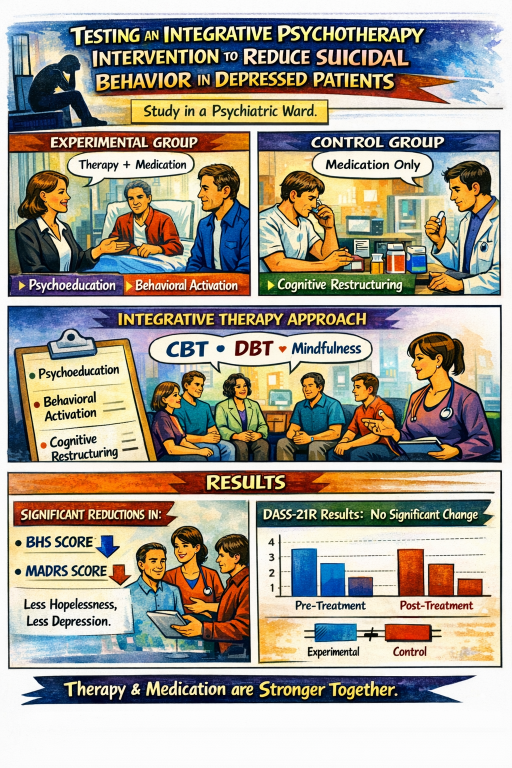
This study investigates the efficacy of a short-term integrative psychotherapeutic intervention designed to reduce suicidal behavior and ideation in depressed patients admitted to a psychiatric ward. Suicidal risk, influenced by mental health disorders, personal crises, social isolation, substance abuse, and trauma, is typically treated with pharmacotherapy and psychotherapy. The study focuses on combining various psychotherapeutic techniques including Cognitive-Behavioral Therapy (CBT), Dialectical Behavior Therapy (DBT), and Mindfulness-Based Cognitive Therapy (MBCT) into a cohesive intervention program.
The intervention, delivered over four weeks, included six modules encompassing psychoeducation, behavioral activation, cognitive restructuring, mindfulness practices, and personal development strategies. Participants were divided into an experimental group receiving both the psychotherapeutic intervention and medication and a control group receiving only medication.
The study measured changes in hopelessness and depression using the Beck Hopelessness Scale (BHS), Montgomery-Ã…sberg Depression Rating Scale (MADRS), and the DASS-21R depression scale. The study concludes that integrative psychotherapeutic intervention significantly improves psychological outcomes for depressed patients at risk of suicide, offering a viable complement to pharmacological treatments. These findings support the potential of combining cognitive-behavioral and mindfulness techniques for the holistic management of depression and suicidal ideation in clinical settings.
Results indicated significant reductions in hopelessness and depression among the experimental group. Specifically, the BHS and MADRS scores showed substantial decreases post-intervention, highlighting the immediate efficacy of the integrated psychotherapeutic approach. However, the DASS-21R results did not demonstrate statistically significant differences.
Disclaimer: This image was generated using artificial intelligence and may contain inaccuracies or inconsistencies.
It is provided solely as a visual aid to facilitate the rapid understanding of the key ideas presented
in this article. Our editorial team conducts ongoing reviews of AI-generated images and will correct
or replace them whenever an error or discrepancy is identified or reported.
Authors:
Larysa
Huseinova
, Tatiana
Liashenko
, Oleksii
Pavlenko
, Halyna
Shpak
, Iryna
Maidaniuk
, Dmytro
Bidyuk
Abstract:
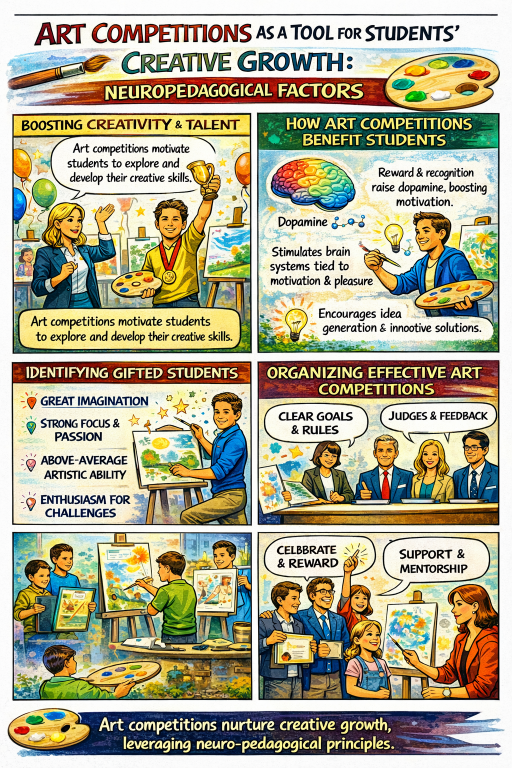
The article discusses how gifted and talented students and youth represent a valuable resource for every country, enabling effective development and the constructive resolution of current economic and social challenges. Gifted students' identification, support, and mentorship have become particularly important today. Art competitions foster creative growth, offering students opportunities to nurture their talents and skills. When designed with neuro-pedagogical principles, these competitions become powerful catalysts for creativity. They stimulate neurocognitive processes that boost dopamine levels since the expectation of winning, recognition and rewards activates brain systems associated with motivation and pleasure. This, in turn, encourages the generation of new ideas and innovative solutions. The article explores neuro-pedagogical factors that enhance students' creative development, outlines the traits for identifying gifted students for participation in art competitions, confirms that such competitions foster creative growth, and provides practical recommendations for teachers and organizers on designing these events in line with neuro-pedagogical insights.
Disclaimer: This image was generated using artificial intelligence and may contain inaccuracies or inconsistencies.
It is provided solely as a visual aid to facilitate the rapid understanding of the key ideas presented
in this article. Our editorial team conducts ongoing reviews of AI-generated images and will correct
or replace them whenever an error or discrepancy is identified or reported.
Authors:
Cristina
Stanescu
, Monica
Boev
, Oana
Elisabeta Avram
, Anamaria
Ciubara
Abstract:
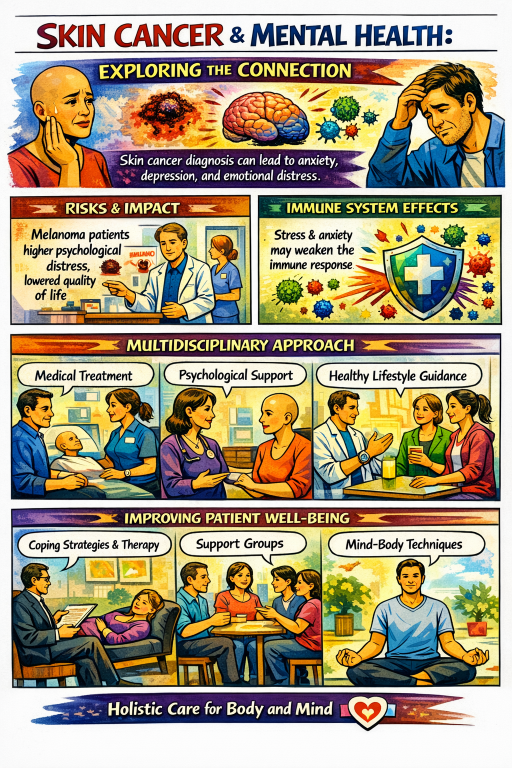
This review aims to elucidate the relationship between mental disorders and various forms of skin cancer, as well as to examine the prevention and treatment strategies for these patients using a multidisciplinary approach. The recognition that the impact of skin cancer extends beyond physical manifestations has led to an increasing need to investigate the psychological effects and mental health implications associated with this pathology. Cancer diagnoses represent significant stressors that can induce moderate-to-severe levels of emotional distress among patients and substantially impact patients' quality of life. Individuals diagnosed with malignant melanoma demonstrate a higher prevalence of psychosocial disturbance than those diagnosed with non-melanoma skin cancers. This observation suggests that the classification of skin neoplasia and its visibility may influence a patient's quality of life. Healthcare professionals need to develop communication skills to observe the psychological changes faced by patients diagnosed with cutaneous malignancies. This study aims to enhance patient care, improve overall well-being, and promote comprehensive approaches for treating patients with cutaneous malignancies. The potential impact of stress and anxiety on the immune system may influence the treatment of various types of skin neoplasia. It is important to investigate the relationship between psychological factors and the immune system to develop efficacious interventions for managing stress and anxiety-related skin disorders. Further research is needed to establish standardized methods, assess long-term outcomes, develop tailored psychological support programs, and identify the potential risk and protective factors.
Disclaimer: This image was generated using artificial intelligence and may contain inaccuracies or inconsistencies.
It is provided solely as a visual aid to facilitate the rapid understanding of the key ideas presented
in this article. Our editorial team conducts ongoing reviews of AI-generated images and will correct
or replace them whenever an error or discrepancy is identified or reported.
Authors:
Yurii
Kashpur
, Liubov
Liubina
, Hanna
Koval
, Oksana
Olyniik
, Halyna
Fedoryshyn
, Khrystyna
Tsomyk
Abstract:
The importance of studying the psychology of sexuality and exploring counselling techniques for individuals dealing with sexual attitudes and discrimination is steadily growing on a global scale. In recent years, democratic reforms, the rise of the feminist movement, increased communication freedom between men and women, the surge of research across various scientific disciplines, and other factors have all contributed to the growing public interest in this branch of sexology. The present era is shaping new laws and patterns, which are still being defined within today's science. Emerging are new types, categories, subdivisions, and fields that form the structural framework of this scientific field. The categories within the psychology of sexuality are regularly reassessed. Today, the development of sexology as a scientific field demands focused attention from both the scientific community and the state. This includes the publication of specialized literature, the training of university-level educators, the creation of master's programmes, and the formal recognition of the psychologist-sexologist profession (psychologist-consultant in sexology), along with the opportunity to defend master's and doctoral theses in this discipline. This reflects the dual challenge of clearly defining the scope of the psychology of sexuality while emphasizing the need for psychologists to be actively involved in sexology. The article highlights the psychologist's role within sexological support services, presents various models of psychological counselling for individuals facing sexual attitude issues and discrimination, and outlines ethical principles in psychological counselling.
Disclaimer: This image was generated using artificial intelligence and may contain inaccuracies or inconsistencies.
It is provided solely as a visual aid to facilitate the rapid understanding of the key ideas presented
in this article. Our editorial team conducts ongoing reviews of AI-generated images and will correct
or replace them whenever an error or discrepancy is identified or reported.
Authors:
Daniel
Madalin Coja
, Ilie
Onu
, Ana
Onu
, Daniel
Andrei Iordan
, Virgil
Ene-Voiculescu
, Laurentiu
Gabriel Talaghir
Abstract:
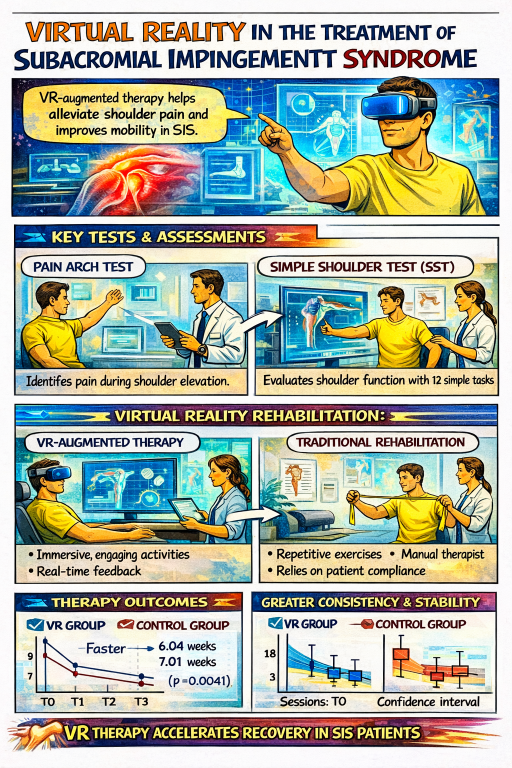
Subacromial impingement syndrome (SIS) is a prevalent cause of shoulder pain and dysfunction. This study investigates the impact of virtual reality (VR) therapy on shoulder function, joint dysfunction, and pain in SIS patients, comparing its effectiveness to traditional rehabilitation methods. Materials and Methods: Over 50 weeks, 288 participants with SIS were recruited and divided into two groups: an experimental group (EG) receiving VR-augmented therapy and a control group (CG) undergoing conventional rehabilitation. Recovery was assessed using the Painful Arch Test and Simple Shoulder Test (SST) at key intervals (T0, T1, T2, and T3). Statistical analysis was conducted to evaluate recovery times and functional improvements. Results: The EG showed significantly faster recovery with a mean duration of 6.04 weeks compared to 7.01 weeks for the CG (p = 0.0041), as determined by the Welch Two Sample t-test. The 95% confidence interval (0.3137 to 1.6330) confirmed the reliability of these findings. The VR group demonstrated sustained functional improvements, as evidenced by narrower interquartile ranges and more stable SST scores over time, particularly by Session 18, indicating reduced variability and faster recovery compared to the CG. Conclusion: VR therapy significantly accelerates recovery in SIS patients, offering faster and more consistent outcomes compared to conventional rehabilitation. These findings highlight the potential of VR as a non-invasive and effective treatment for improving shoulder function in SIS. Further research is warranted to explore its long-term efficacy and potential for personalized rehabilitation programs.
Disclaimer: This image was generated using artificial intelligence and may contain inaccuracies or inconsistencies.
It is provided solely as a visual aid to facilitate the rapid understanding of the key ideas presented
in this article. Our editorial team conducts ongoing reviews of AI-generated images and will correct
or replace them whenever an error or discrepancy is identified or reported.
Authors:
Bijesh
Dhyani
, Sanjay
Taneja
, Chandra
Prakash
, Rajesh
Tiwari
, Ercan
Özen
Abstract:
Finance has been the most important aspect of people's lives for making small to large decisions in life. Finances affect our ability to invest in opportunities, save for uncertain future events, and purchase necessities. In addition, money has a significant impact on reducing poverty, creating jobs, and advancing society. On the other side, deep learning is a growing field as it is transforming and revolutionizing various areas and industries. While realising the importance of both finance and deep learning in our lives for better decision-making, our study aims to find the connectedness between both so that understanding this relation and utilising it will create better systems for optimal decision-making and also to study its influence on the stock market, presenting various challenges and opportunities regarding this matter and unleashing the potential that comes with the advanced technologies.
Disclaimer: This image was generated using artificial intelligence and may contain inaccuracies or inconsistencies.
It is provided solely as a visual aid to facilitate the rapid understanding of the key ideas presented
in this article. Our editorial team conducts ongoing reviews of AI-generated images and will correct
or replace them whenever an error or discrepancy is identified or reported.
Authors:
Ana
Fulga
, Doriana
Iancu
, Oana
Maria Dragostin
, Iuliu
Fulga
, Bogdan
Alexandru Ciubara
, Carmina
Liana Musat
, Ionut
Dragostin
, Anamaria
Ciubara
Abstract:
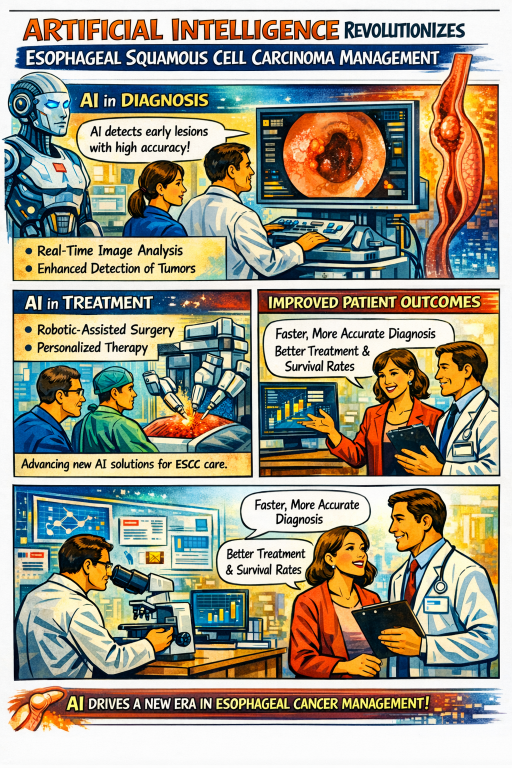
The application of artificial intelligence in esophageal tumor pathology highlights the ongoing and significant transformative impact AI has in medicine. This article provides a comprehensive overview of AI technologies' current use in diagnosing and treating esophageal squamous cell carcinoma (ESCC). Through our research, we identified and meticulously analyzed 33 relevant academic papers and studies that contribute to this field. These papers encompass a broad spectrum of AI applications related to the management of esophageal squamous cell carcinoma. AI integration and deployment in both the diagnosis process and therapeutic interventions for tumors offer highly promising prospects, for example, in endoscopic procedures AI algorithm can process endoscopic images in real-time to identify abnormalities that may be missed by the human eye, it can highlight subtle changes such as color variations, small growths or tissue anomalies, which might go unnoticed due to fatigue, distraction or human limitations in perceiving fine details. AI technologies enhance medical practice precision and effectiveness by significantly reducing the likelihood of human errors and offering practical, innovative solutions. Consequently, AI confluence with medical practice not only increases diagnosis accuracy but also improves the overall efficiency of treating esophageal squamous cell carcinoma.
Disclaimer: This image was generated using artificial intelligence and may contain inaccuracies or inconsistencies.
It is provided solely as a visual aid to facilitate the rapid understanding of the key ideas presented
in this article. Our editorial team conducts ongoing reviews of AI-generated images and will correct
or replace them whenever an error or discrepancy is identified or reported.
Authors:
Kristijan
Cincar
, Andrea
Amalia Minda
, Marija
Varga
Abstract:
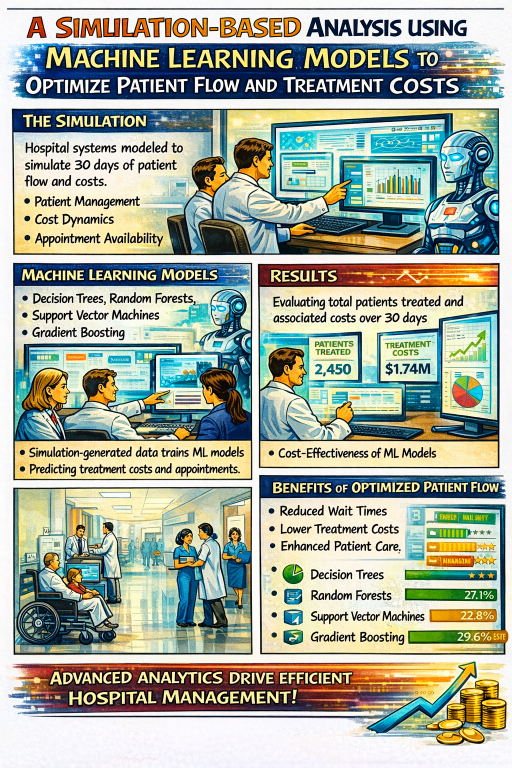
This study investigates the application of discrete event simulation in analyzing patient management and cost dynamics within a hospital system. A simulation that integrates machine learning models, specifically Decision Trees, Random Forests, Support Vector Machines, and Gradient Boosting methods, to predict treatment costs and appointment availability was developed. Conducted over 30 days, the simulation generates synthetic data for training the models. The results are assessed in terms of the total number of patients treated, cumulative costs incurred, and the cost-effectiveness of each predictive model. The findings reveal significant variations in the performance of different machine learning techniques, demonstrating that adopting advanced analytics can substantially improve hospital resource management. This research aims to develop more efficient patient care strategies, contributing to optimizing hospital operations and enhancing patient experiences.
Disclaimer: This image was generated using artificial intelligence and may contain inaccuracies or inconsistencies.
It is provided solely as a visual aid to facilitate the rapid understanding of the key ideas presented
in this article. Our editorial team conducts ongoing reviews of AI-generated images and will correct
or replace them whenever an error or discrepancy is identified or reported.
Authors:
Constantin
Constantinescu
, Remus
Brad
, Adrian
Bărglăzan
Abstract:
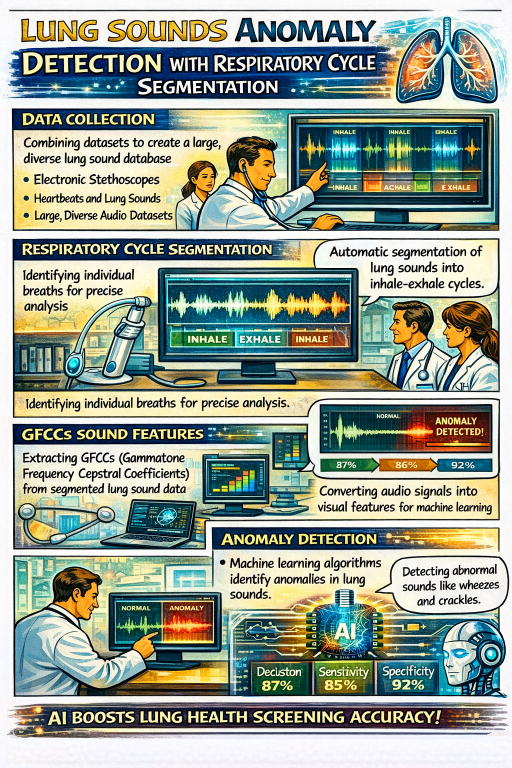
Employing machine learning algorithms in the medical field has proven successful for some time now. Mostly computer vision techniques have been applied to medical images, while medical sound data has been somewhat overlooked. By using electronic stethoscopes, it is now possible to process both heartbeats and lung sounds. While some products are available for detecting anomalies in heartbeats, addressing lung-related anomalies presents a more intricate challenge. Applying a deep learning approach is hindered by insufficient data. Although some datasets do exist, the size and diversity of the data are too small for comprehensive analysis. This paper introduces a novel technique for detecting anomalies in lung sounds: first by combining two datasets, second by automatically segmenting each sound into respiratory cycles, and third by employing GFCCs as sound features.
Disclaimer: This image was generated using artificial intelligence and may contain inaccuracies or inconsistencies.
It is provided solely as a visual aid to facilitate the rapid understanding of the key ideas presented
in this article. Our editorial team conducts ongoing reviews of AI-generated images and will correct
or replace them whenever an error or discrepancy is identified or reported.
Authors:
Mihai
Lucian Voncilă
, Nicolae
Tarbă
, Ștefana
Oblesniuc
, Costin
Anton Boiangiu
, Valer
Nimineț
Abstract:
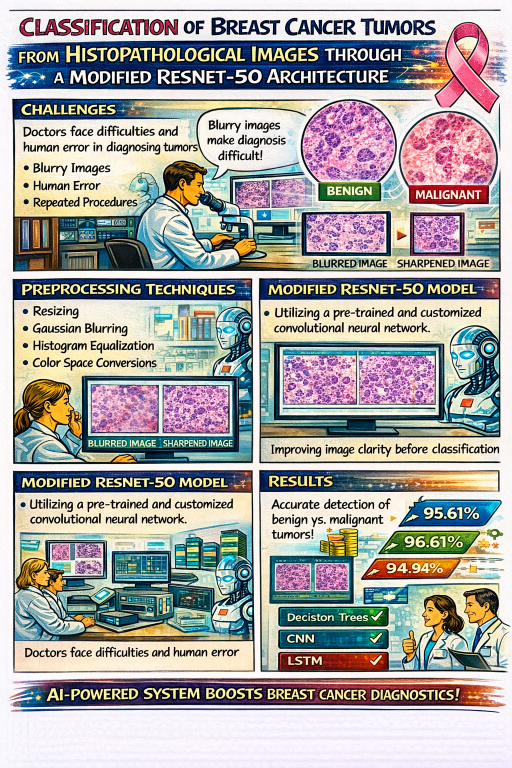
The diagnosis of malignant or benign breast cancer tumors from histopathological images is challenging due to human error, which may lead to the patient undergoing additional, often painful, procedures to collect new data. Utilizing a supervised, pre-trained ResNet-50 model as a second opinion for doctors can help eliminate the need for repeated procedures. One main challenge faced by doctors and machine learning models is image blurriness. Applying various data preprocessing and augmentation techniques, such as resizing, Gaussian blurring, histogram equalization, and color space conversions, can improve the model's performance. The model achieved its best results with an accuracy of 95.61%, precision of 96%, recall of 94%, and an F1-score of 95%.
Disclaimer: This image was generated using artificial intelligence and may contain inaccuracies or inconsistencies.
It is provided solely as a visual aid to facilitate the rapid understanding of the key ideas presented
in this article. Our editorial team conducts ongoing reviews of AI-generated images and will correct
or replace them whenever an error or discrepancy is identified or reported.
Authors:
Sandhya
Chandrabhanu
, Shanmugam
Hemalatha
Abstract:
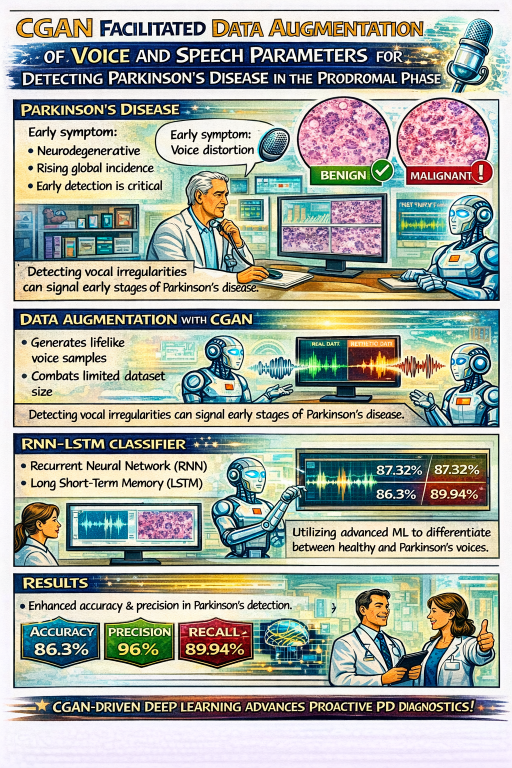
Parkinson's disease is a multi-faceted disease affecting the brain. The enormity of its recent rise is quite alarming. This calls for intense research to diagnose early to hasten the progress of diagnosis. Voice distortion is considered an early precursor for Parkinson's disease. Though several studies in Machine Learning using voice parameters have provided useful information, none of them have been successful in evolving an efficient and generalized model to detect it. Deep Learning techniques were applied to improve the performance of the model but its major limitation was the size of the dataset. Hence, a need arose to extend the dataset using an appropriate data augmentation method. At this juncture, the conditional generative adversarial network (CGAN) proved to be a useful technique because of its innate feature for generating synthetic data from input noise. The RNN-LSTM classifier could achieve a training accuracy of 87.32%, testing accuracy of 86.3%, training precision of 87.92 %, and testing precision of 89.94%. The results of the experimental study are compared with other state-of-the-art methods. This technique succeeded in reducing the problem of over-fitting and could elevate the performance of the RNN-LSTM classifier in the prediction of Parkinson's disease.
Disclaimer: This image was generated using artificial intelligence and may contain inaccuracies or inconsistencies.
It is provided solely as a visual aid to facilitate the rapid understanding of the key ideas presented
in this article. Our editorial team conducts ongoing reviews of AI-generated images and will correct
or replace them whenever an error or discrepancy is identified or reported.
Authors:
Gabriela
Stoleriu
, Ancuta
Lupu
, Nicuta
Manolache
, Anamaria
Ciubara
, Daciana
Elena Branisteanu
Abstract:
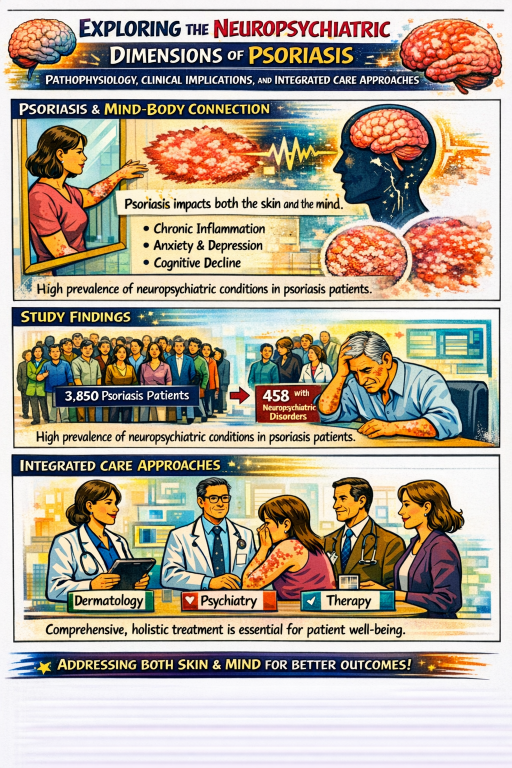
Psoriasis is a long-term inflammatory skin disorder that significantly affects a patient's quality of life in addition to having notable physical symptoms. Recent research has increasingly focused on the neuropsychiatric dimensions of psoriasis, recognizing the complex interplay between psychological health and dermatological disease. There is growing recognition of the correlation between psoriasis and neuropsychiatric conditions such as anxiety, depression, and cognitive decline, indicating the reciprocal interaction of the skin and brain. This study explores the prevalence and implications of neuropsychiatric disorders among 3,850 psoriasis patients, of whom 458 were diagnosed with neuropsychiatric conditions. The results emphasize the value of treating psoriasis with a multidisciplinary approach. Integrating care that addresses dermatological and neuropsychiatric health is crucial for improving patient outcomes and quality of life.
Disclaimer: This image was generated using artificial intelligence and may contain inaccuracies or inconsistencies.
It is provided solely as a visual aid to facilitate the rapid understanding of the key ideas presented
in this article. Our editorial team conducts ongoing reviews of AI-generated images and will correct
or replace them whenever an error or discrepancy is identified or reported.
Authors:
Didem
Islek
, Fahriye
Altinay
, Zehra
Altinay
, Rustam
Shadiev
, Ä°pek
Danju
Abstract:
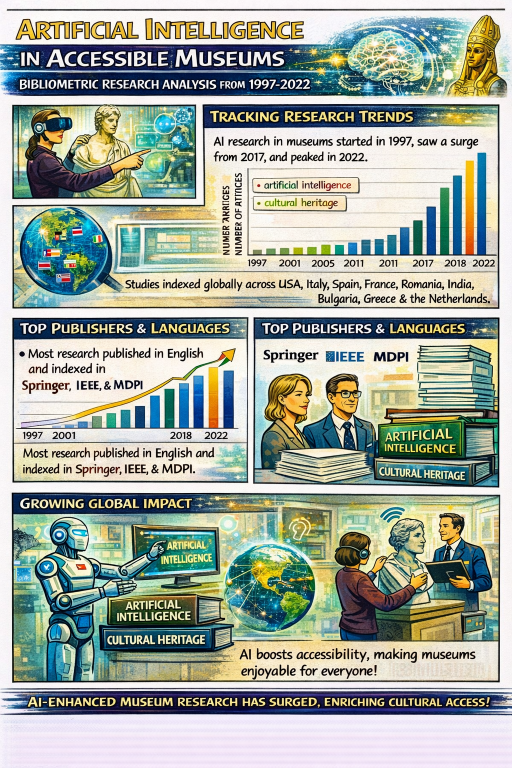
This research aims to conduct a bibliometric analysis of published research on the use of artificial intelligence in accessible museums in the Web of Science Core Collection database. Through bibliometric research, the general framework of research on specific subject areas can be determined. A total of 30 articles were reached in the research. The research findings were analyzed and visualized through the "Analyze Results" option provided in the WOS viewer and Bibliometric tool and ten articles were selected from a systematic review. The findings of the research revealed that research on the use of "artificial intelligence in accessible museums" started in 1997, and then continued to be published with an increase in 2017 after a twenty-year break. The year with the most publications was 2022. The vast majority of research has been published in English. Research on this topic has also been published across Europe. Research has been widely disseminated in the USA, Italy, Spain, France, Romania, India, Bulgaria, Greece, and the Netherlands. However, the majority of the research is indexed in Springer and some in IEEE and MDPI. Most of the studies were prepared in the form of papers and some of them were prepared in the form of articles. Finally, the findings reveal that the research prepared on this subject has been addressed every year since 1997 with the keyword "artificial intelligence" until 2022, while the keyword "cultural heritage" has been mostly used since 2008. As a result, the results obtained from the bibliometric research show that the use of artificial intelligence in museums has become increasingly widespread year by year.
Disclaimer: This image was generated using artificial intelligence and may contain inaccuracies or inconsistencies.
It is provided solely as a visual aid to facilitate the rapid understanding of the key ideas presented
in this article. Our editorial team conducts ongoing reviews of AI-generated images and will correct
or replace them whenever an error or discrepancy is identified or reported.
Authors:
Dan
Gabriel Simbotin
, Paniel
Reyes Cardenas
Abstract:
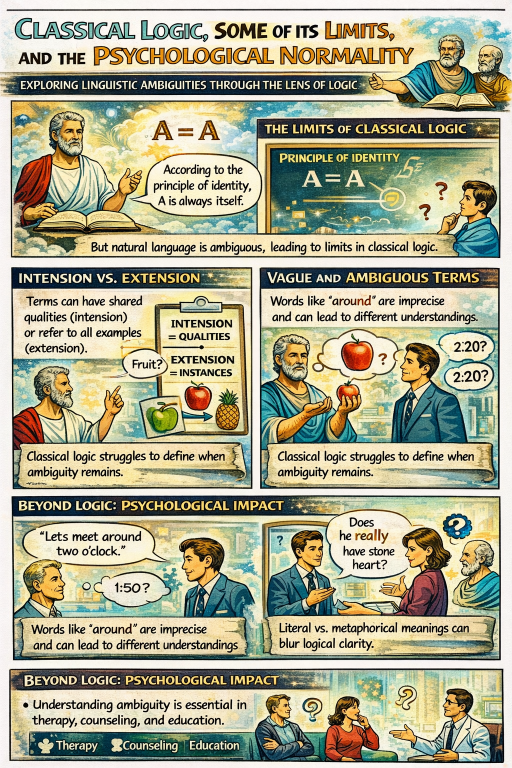
This article identifies some situations of linguistic ambiguities and how general logic tries to solve them and it analyzes the influence it can have in particular situations. Since the topic is vast, we stopped at the ambiguities of language caused by identity. First, the attempt to solve the problem was the enunciation of the laws of logic, namely the principle of identity, and we followed its limits. There are analyzed three aspects emphasizing the degree of remaining ambiguity: the relationship between intension and extension, vague terms, and symbolical-metaphorical thinking. Each of the examples given accentuated the limits of classical logic in the face of the natural language ambiguity problems. Ambiguous situations do not only have effects on logical or communicative levels; we also showed the impact on the fields of psycho-social interventions: therapy, counseling, and education.
Disclaimer: This image was generated using artificial intelligence and may contain inaccuracies or inconsistencies.
It is provided solely as a visual aid to facilitate the rapid understanding of the key ideas presented
in this article. Our editorial team conducts ongoing reviews of AI-generated images and will correct
or replace them whenever an error or discrepancy is identified or reported.
Authors:
Fezile
Ozdamli
, Huseyin
Bicen
, Erinc
Ercag
, Cigdem
Hursen
Abstract:
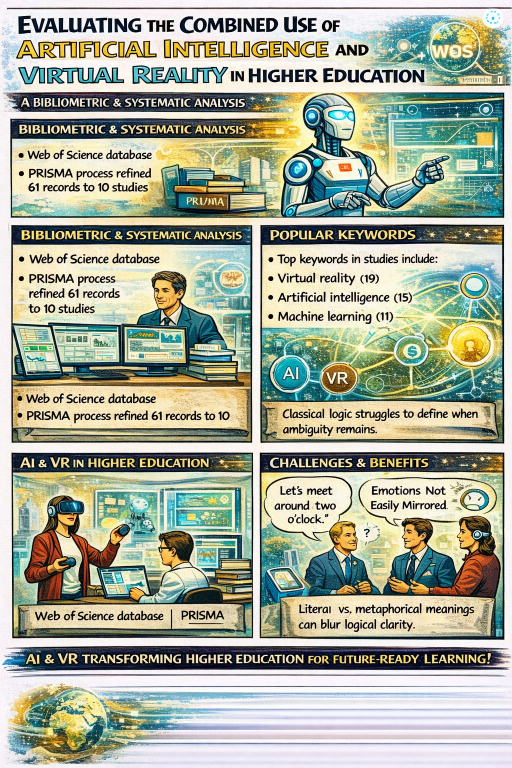
In the study, which aims to determine the advantages and difficulties of using "artificial intelligence" and "virtual reality" applications in higher education, a systematic literature review and bibliometric analysis were used together to determine the trends in the studies conducted. Web of Science database was preferred to obtain the data in the study. "Artificial intelligence", "virtual reality", and "higher education" were used as keywords. Only English, open-access journals, literature reviews, and conference proceedings were included in the study. First, the abstracts of 61 studies that met these criteria were reviewed. Then, the documents to be included in the study were determined by the PRISMA steps. As a result of the PRISMA processes, ten studies were read in detail, and the study findings were obtained. According to the results obtained, it was determined that there were difficulties in motivation continuity and reflecting human emotions, in addition to the many positive effects of using "artificial intelligence" and "virtual reality" applications in higher education. In addition, as a result of the bibliometric mapping, it was determined that the most preferred keywords in studies containing these applications were "Virtual reality", "artificial intelligence", and "machine learning". Suggestions are given depending on the results obtained.
Disclaimer: This image was generated using artificial intelligence and may contain inaccuracies or inconsistencies.
It is provided solely as a visual aid to facilitate the rapid understanding of the key ideas presented
in this article. Our editorial team conducts ongoing reviews of AI-generated images and will correct
or replace them whenever an error or discrepancy is identified or reported.
Authors:
Oleksii
Marchenko
, Oksana
Pushonkova
, Iryna
Kondratieva
, Olha
Hladun
, Olena
Kolomiiets
, Serhii
Pianzin
, Bohdan
Kalinichenko
, Liudmyla
Sipko
Abstract:
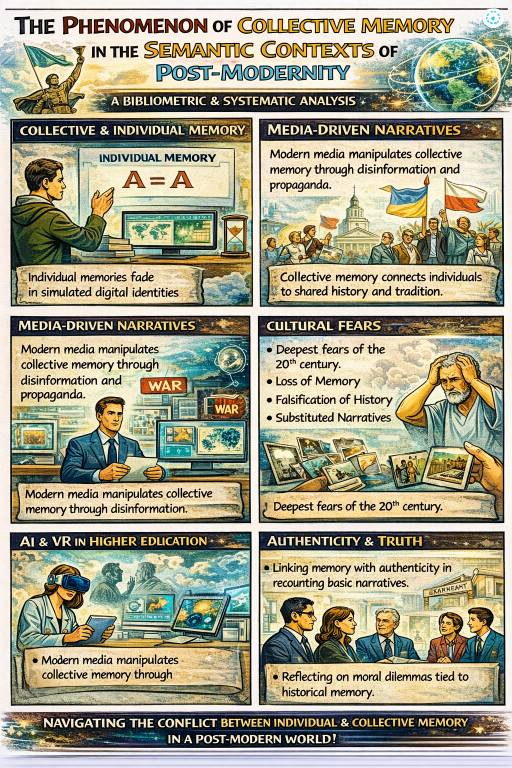
The article is devoted to the study of the phenomenon of collective memory in the value contexts of post-modernity. During the 20th century, the culture of memory is revealed through the individual-collective polarity, and in the postmodern era attention is focused on the boundary between them, on the culture of memory in the dimension of the modern media, on the contexts of the global information war. While individual memory loses touch with the past in the dimension of simulated identity, collective memory is usually associated with tradition as a reservoir of memory of the past. Collective memory in the age of modern media is in certain danger of targeted negative external influence, falsification, and inflation. The deepest cultural fears of the 20th century are the deformation or loss of memory, as well as the fear of memory substitution. The main value is linking memory with authenticity in the reproduction of the basic narrative in the cultural practices of today, in which the individual intersects with the collective. That is why the article pays special attention to the border between individual and collective memory, the culture of recall in communicative projects, and the reflection of moral dilemmas in different models of historical memory, the confrontation of different memories.
Disclaimer: This image was generated using artificial intelligence and may contain inaccuracies or inconsistencies.
It is provided solely as a visual aid to facilitate the rapid understanding of the key ideas presented
in this article. Our editorial team conducts ongoing reviews of AI-generated images and will correct
or replace them whenever an error or discrepancy is identified or reported.
Authors:
Liliana
Dragomir
Abstract:
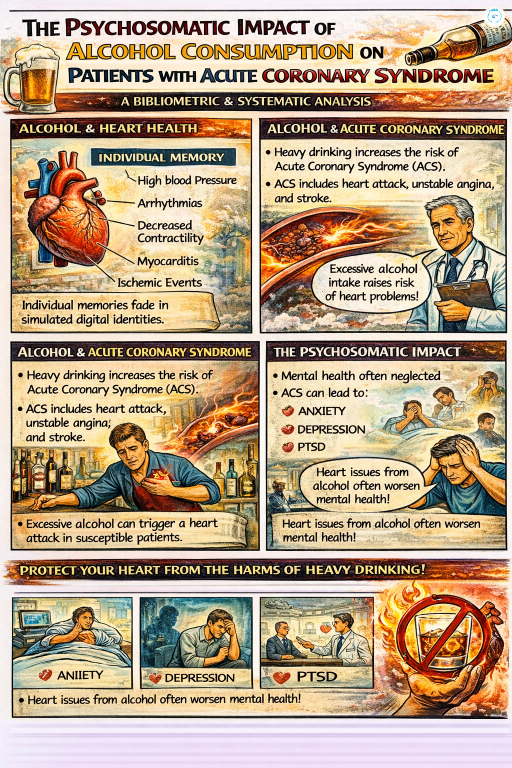
Cardiovascular disease is estimated to be the leading cause of death worldwide (approximately one-third of all deaths). In 2024, the American Heart Association reported that approximately 128 million Americans over the age of 20 were diagnosed with acute myocardial infarction, heart failure, stroke, and high blood pressure. Also, in 2020, Eurostat reported that the main cause of death was represented by cardiovascular diseases representing almost a third of all deaths. In addition, excessive alcohol consumption is associated with an increased risk of cardiovascular diseases such as hypertension, myocarditis, decreased cardiac contractility, arrhythmias, thrombotic events, hypoxic acute respiratory failure, and stroke. The impact of alcohol on the cardiovascular system is dependent on the amount of alcohol consumed, thus, as alcohol consumption is constant, the risk of developing cardiovascular diseases increases, especially acute myocardial infarction. Cardiovascular emergencies, especially acute myocardial infarction and stroke, can significantly affect both the physical and mental health of patients. However, the psychological impact of these conditions is often neglected, even though studies show that they can lead to symptoms of anxiety, depression, or post-traumatic stress disorder (PTSD).
Disclaimer: This image was generated using artificial intelligence and may contain inaccuracies or inconsistencies.
It is provided solely as a visual aid to facilitate the rapid understanding of the key ideas presented
in this article. Our editorial team conducts ongoing reviews of AI-generated images and will correct
or replace them whenever an error or discrepancy is identified or reported.
Authors:
Aurelian
Anghele
Abstract:
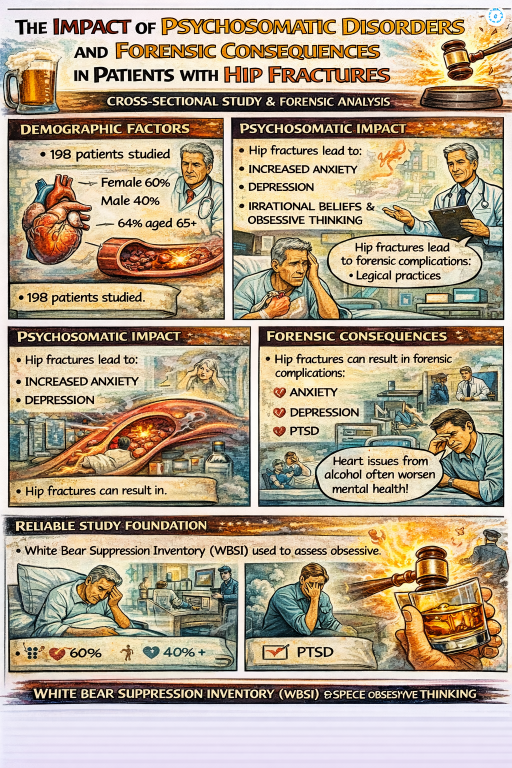
We used a cross-sectional study to investigate potential correlations between psychosomatic disorders generated by irrational beliefs and forensic involvement in patients with pelvic fractures. The study focused on 198 participants who completed the White Bear Suppression Inventory (WBSI). These results suggest that there is essentially no significant linear correlation between age and WBSI score in the 198 observation dataset. The findings from this dataset contribute to our understanding of key demographic factors, the distribution of forensic complications, age characteristics, and WBSI scores within the study population. The statistical analyses did not reveal any significant associations or correlations, suggesting a level of independence between the variables. This insight provides a valuable foundation for future medical research and deeper analysis. These results offer a reliable starting point for further exploration and investigation.












 ▲
▲