
Agata
Asofroniei
Abstract:
First Pages of BRAIN, Volume 10, Special Issue











 ▲
▲

p-ISSN: 2068 - 0473
e-ISSN: 2067 - 3957
10.18662/brain
DOI prefix: 10.70594/brain (currently edited by EduSoft) | 10.18662/brain (when was edited by Lumen)
4 issues/year (occasional additional issues)
Web of Science (ESCI, IF 0.6), EBSCO, Google Scholar etc.
Member in CrossRef
CURRENT ISSUE 
LAST 2 PREVIOUS ISSUE
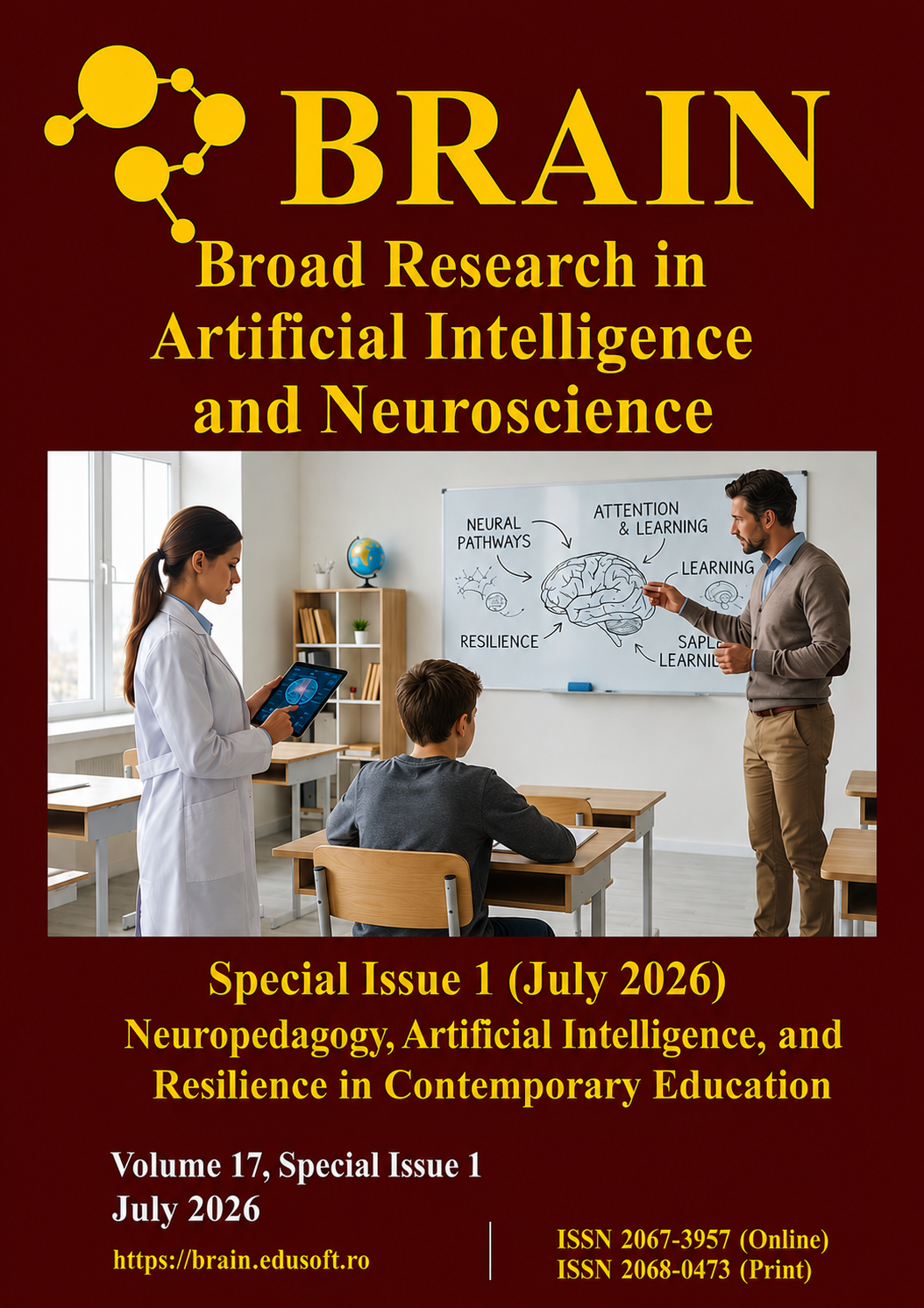
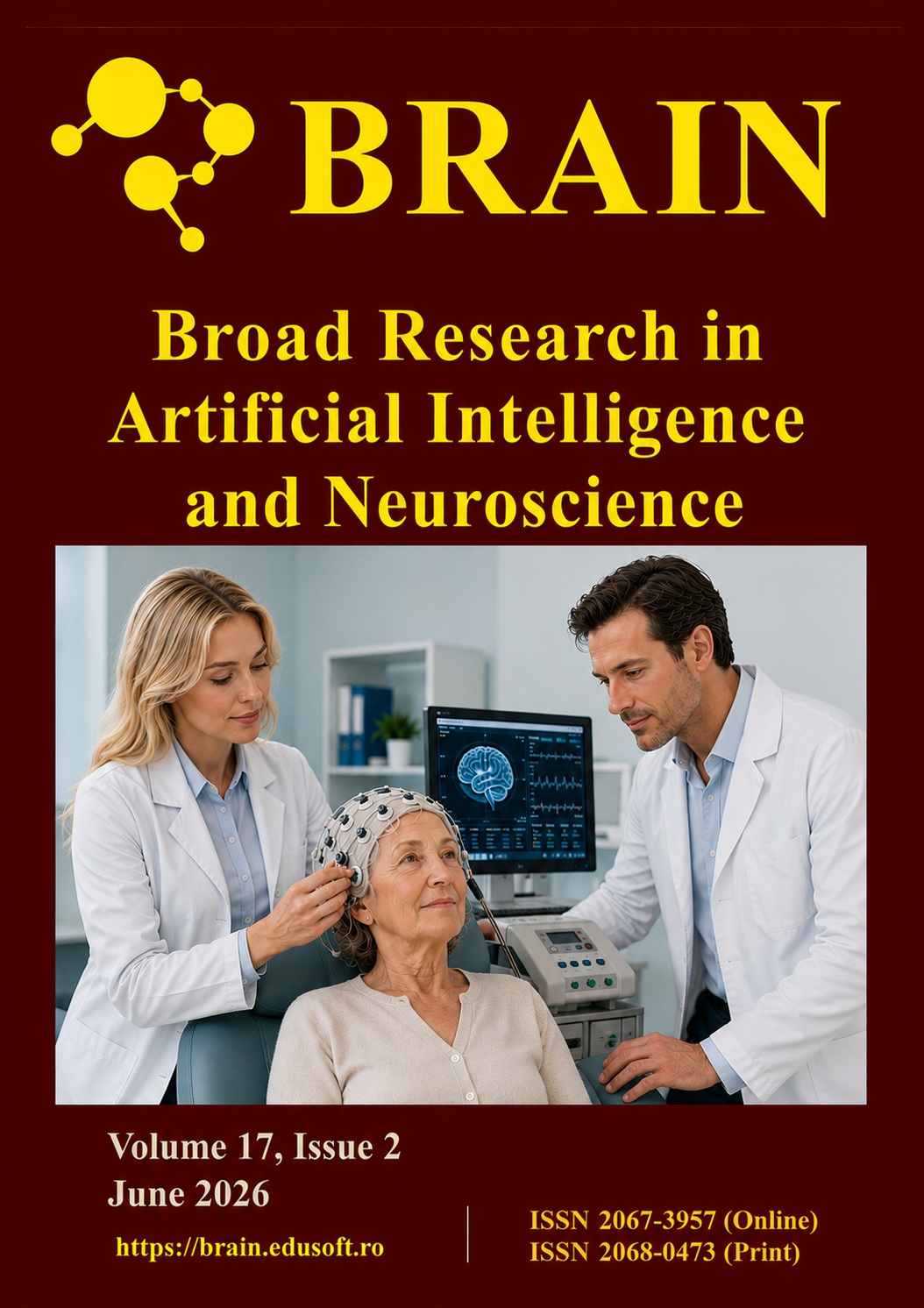


Disclaimer: These images were generated using artificial intelligence and may contain inaccuracies or inconsistencies. They are provided solely as a visual aid to facilitate the rapid understanding of the key ideas presented in these article. Our editorial team conducts ongoing reviews of AI-generated images and will correct or replace them whenever an error or discrepancy is identified or reported.

Disclaimer: This image was generated using artificial intelligence and may contain inaccuracies or inconsistencies. It is provided solely as a visual aid to facilitate the rapid understanding of the key ideas presented in this article. Our editorial team conducts ongoing reviews of AI-generated images and will correct or replace them whenever an error or discrepancy is identified or reported.
Authors:In the past, more than 150 years ago, incandescent bulb light appeared with red light emitters but technology has evolved to the present and scientist people discovered and promoted ecological lighting by compact fluorescent lamps and light emitting diodes.
In modern society, most of the classic lamps have been replaced with LED technology, much more efficient in terms of the amount of light emitted, as well as energy consumption. Besides these advantages, it also presents some drawbacks that affect our daily life through the structures they come into contact with (skin, eyes) and are intensively studied.
One of the most important and frequent effects of blue light is shown by the link between melanopsin, a photo-pigment present in the retina, responsible for regulating circadian rhythm and sleep-wake cycle, and blue light that go through the eye and reach the retina. So, it explains the increasing incidence of sleep disorders, decreased sleep quality associated with a high degree of fatigue and disturbance of family and social life. But knowing these effects, blue light can be beneficial if used in the first half of the day; in patients with neurocognitive disorders such as patients with Alzheimer's disease, have been observed an improvement in symptomatology. On short term, blue light stimulates dopamine production, but long-term light exposure has the opposite effect and leads to symptoms such as anxiety, mood swings, inability to focus, lack of insight or self-awareness, low libido.
To be able to prevent the negative effects of blue light, first of all we need to know the devices that affect us and the main "enemies" are right next to us, present in our everyday life: smartphones, tablets, televisions.

Disclaimer: This image was generated using artificial intelligence and may contain inaccuracies or inconsistencies. It is provided solely as a visual aid to facilitate the rapid understanding of the key ideas presented in this article. Our editorial team conducts ongoing reviews of AI-generated images and will correct or replace them whenever an error or discrepancy is identified or reported.
Authors:The temporomandibular joint (TMJ) imbalances and dysfunctions can lead to a group of different affections named temporomandibular disorders (TMDs). Elderly with TMDs are experiencing severe phenomena due to instability centric relationship, craniomandibular malrelations, hypotonia, edentation and general chronic diseases. The aim of our study is to investigate the efficiency of the pharmacologic treatment followed by prosthetic-aesthetic and gnathological treatment in elderly patients. This prospective study is based on data obtained from 96 patients, aged 65-74, 67 female and 29 male. The data was analyzed by correlating the independent variables with the dependent ones and the prevalence of TMDs. Study results revealed a high prevalence of TMDs (27.35%). The prevalence of TMJ pain (81.25%) and depressive manifestations were high (47.92%). After the pharmacologic medication, in association with prosthetic-aesthetic and gnathological treatment, the prevalence of depressive manifestations decreased (at 32.29%).
In conclusion, the pharmacologic medication followed by prosthetic-aesthetic and gnathological treatment determine improved outcomes in elderly patients with TMDs not only in terms of pain and neuropsychiatric manifestations, but also clinically, i.e., at TMJ function level and in all the facial and oral aspects.

Disclaimer: This image was generated using artificial intelligence and may contain inaccuracies or inconsistencies. It is provided solely as a visual aid to facilitate the rapid understanding of the key ideas presented in this article. Our editorial team conducts ongoing reviews of AI-generated images and will correct or replace them whenever an error or discrepancy is identified or reported.
Authors:Due to the fact that crime is a social phenomenon, we consider necessary to analyze it as an individual action committed by a real person in an actual circumstance. We mention that crime is a human action, determined by certain psychological elements, necessities, reasons, purposes. In Romania, the evolution of the crime phenomenon is a consequence of the impact of severe socio-economic issues, characteristic of the transition period, as well as of the authority crisis transited by the competent state institutions. The defective legislation and the overburdening of the criminal justice system, associated with the lack of staff and logistics, have limited the effect of preventive and repressive measures. Therefore, people who consume substances submitted for national inspection are called drug addicts or drug abusers. According to the World Health Organization, narcomania is "the state of constant or chronic intoxication, harmful for the individual and for society, caused by the repeated consumption of a certain drug (natural or artificial) — it is characterized by the following — an irresistible need to continue consuming it and acquiring it by all means, a tendency to increase its dosage and a psychical, sometimes physical addiction for the effects of the drug". Drugs of all types have been considered "magic" pills the molecular structure of which is well known by chemists, physicians and pharmacists. In literature they are also called "millenary fragile molecules", which from ancient times were "glorified", but in fact they do not have supernatural powers, but deceive people, being in fact a "two-faced coin". The first face is the one which creates appeal and the second is the one which creates addiction, making us change our behavior and avoid our family and lose our friends. Thus we can state that one of the highest challenges of humanity is represented by drug consumption. The multiple environmental changes and the set of social, economic, and psychological changes are aspects which negatively influence people.
Conclusions: As a general conclusion, we can state that presently, illicit drug trafficking and consumption is the most successful business. The illicit drug market is considered the most "dynamic" crime market. Regarding the facts previously mentioned, we want to show that the citizens of the European Union spend over 24 billion lei a year on drugs.
Disclaimer: This image was generated using artificial intelligence and may contain inaccuracies or inconsistencies. It is provided solely as a visual aid to facilitate the rapid understanding of the key ideas presented in this article. Our editorial team conducts ongoing reviews of AI-generated images and will correct or replace them whenever an error or discrepancy is identified or reported.
Authors:Encephalitis represents a major risk factor through its virulent outcome and the probability of great complications which can generate encephalopathy and whose clinical picture can lead to psychiatric complications and consequently to a socio-financial impact on society and the family. The costs of the treatment of encephalitis are of two types: one immediate in the acute onset, consisting of the medical treatment for the fight against the viral process and the second type consisting of the treatment for the support of the vital functions and also for the patient's maintenance in the stabilisation period. The latter has the role to prevent the complications, to strengthen the immune response of the organism, to improve treatment outcomes and to maintain the function of the nervous system in the best parameters. The aim of the research is to highlight, in terms of economic and medical efficiency, the medical treatments used for the improvement of the symptoms of encephalitis in children, depending on the type of the disease, viruses and comorbidities associated. So the impact of the options widely applicable with good results was simulated for the creation of a model of economic-medical efficiency.

Disclaimer: This image was generated using artificial intelligence and may contain inaccuracies or inconsistencies. It is provided solely as a visual aid to facilitate the rapid understanding of the key ideas presented in this article. Our editorial team conducts ongoing reviews of AI-generated images and will correct or replace them whenever an error or discrepancy is identified or reported.
Authors:Background: Both psychotropic medication and antibiotic therapy are extensively prescribed. In many cases, these medications are concurrent and the necessity to analyze this particular drug interaction appears.
Aims: To identify in specialized medical databases what these interactions are, which is their biochemical substrate, and which is the optimal method to avoid unwanted drug associations.
Method: Abstracts of PubMed database were automatically filtered using a specific search tool, the keyword data being drug interactions psychotropics, antibiotics and their synonyms, and websites dedicated to drug interactions were interrogated on the same subject.
Results and Discussion: Given that there is not enough clear data, especially for new developed medicines, it seems that drug interactions between antibiotics and psychotropic drugs are generally benign. Even if specialized web applications to identify drug interactions already exist, their results often differ or are not consistent.
Conclusion: Although interactions between psychotropic and antibiotic drugs appear to be generally benign, more valid data are needed to properly assess their impact on treatment efficiency and the patient's quality of life. Antibiotics must be prescribed when necessary and it is advisable to avoid antibiotic classes with the most documented drug interactions: Fluoroquinolones, Macrolides and Anti-tuberculosis drugs.
Disclaimer: This image was generated using artificial intelligence and may contain inaccuracies or inconsistencies. It is provided solely as a visual aid to facilitate the rapid understanding of the key ideas presented in this article. Our editorial team conducts ongoing reviews of AI-generated images and will correct or replace them whenever an error or discrepancy is identified or reported.
Authors:Neurological development is a complex process in which the nervous system reaches its fullness in adulthood stage. This development begins before birth, continues in both the last months of gestation and in the first months after birth, in response to a continuous remodeling due to the ability of nerve cells to eliminate excess components through apoptosis. One of the most important and ambitious objectives of developmental neurology is the early identification of those at risk for the development of subsequent disabilities: an early rehabilitation intervention can improve the quality of their life. The most important long-term outcome of periventricular leukomalacia is represented by spastic diplegia, which is also the most frequent motor deficit associated with prematurity. This high incidence seems to be due to the specific localization of the lesion involving the cortico-medullary bundles descending from the motor areas assigned to the movement of the lower limbs. In the presence of larger lesions, which also involve the semi-oval center, tetraparesis can be found accompanied by severe alteration of the intellectual function. The follow-up of the high-risk child and newborn is now established in the most developed countries. Physiotherapy is a relatively recent therapeutic modality in the Intensive Care Units and is performed through different techniques, with the aim of reducing respiratory work, maintaining airway viability and improving ventilation and gas exchange, improving neurosensory skills. A sensitive period for performing an intervention with a set schedule is from birth to 24 months of correct age. The program is tailored to the child and his family. An intervention program must promote the neurobehavioral development of the child, the quality of the organization and of the relational, sensorial, motor and cognitive skills and their integration, with the aim of an adequate development, without the pretension of modifying or accelerating its natural learning.

Disclaimer: This image was generated using artificial intelligence and may contain inaccuracies or inconsistencies. It is provided solely as a visual aid to facilitate the rapid understanding of the key ideas presented in this article. Our editorial team conducts ongoing reviews of AI-generated images and will correct or replace them whenever an error or discrepancy is identified or reported.
Authors:Depression is among the leading causes of disability worldwide, leading in some cases, to suicide and it is considered to be the disease of the millennium. Clinical depression is a common disease, and yet frequently overlooked, source of suffering among patients with cancer. Anterior studies indicate that the rate of depression in cancer patients is thought to be up to three times higher than in the general population. Depression decreases the quality of life, compromises the outcomes, and results in increase the rates of mortality from cancer.
Clinical case: We identify a 50-year-old woman diagnosed with bilateral ovarian high-grade serous carcinoma. The imaging investigations revealed multiple metastases (cT3bN1bM1b — TNM classification). This stadium made the patient to be a candidate only for palliative chemotherapy. At first visit at the oncological specialist, the patient was worried about her health condition, but after discussing with the medical oncologist about the treatment and side effects of chemotherapy, the patient gained confidence. During a routine chemotherapy infusion, the patient reports some special side effects like increase feeling of "going through the motions" as if in a trance-like state, episodes of sudden tearfulness, and feeling like she is "out of control".
After the finish of the chemotherapy infusion, at the interview, the patient reports feeling safe, denies any self-harm or self-injurious thoughts, denies use of illicit substances and alcohol. She says that the impact of hair loss is very depressive for her. In these conditions, the oncologist decide to discuss an initial treatment plan with her that includes individual counseling. Individual counseling helps the patient to complete her palliative therapies and increase her confident after the post-chemotherapy CT exam result. However, there is progression of her disease after 6 months. After this exam, she becomes despondent and is struggling to complete daily activities. She reports specific symptoms for depressive disorder: sleeping poorly and lacking appetite, and no longer enjoys spending time with her friends and family or pursuing her interests. She is preoccupied with death and has difficulty concentrating, but fortunately denies any suicidal ideation or death wishes.
It was started the second line chemotherapy protocol. At this time the patient shows abandonment behavior, autolytic thoughts and drug ingestion triggered by acute family conflict, requiring psychiatric re-assessment and specialist treatment.
Conclusion: Depression remains an under-recognised comorbidity in cancer patients, with major implications on patient suffering, mortality and healthcare expenditure. Depression in cancer is markedly different from depression in healthy individuals, and involves a unique symptomatology.

Disclaimer: This image was generated using artificial intelligence and may contain inaccuracies or inconsistencies. It is provided solely as a visual aid to facilitate the rapid understanding of the key ideas presented in this article. Our editorial team conducts ongoing reviews of AI-generated images and will correct or replace them whenever an error or discrepancy is identified or reported.
Authors:Depression is the most common psychiatric disorder in the elderly, as well as one of the most common comorbidities in patients with hip fracture. Although many authors have confirmed that clinically recognized depressive symptomatology after hip fracture has a negative impact on functional outcomes and mortality, the role of depressive symptomatology evaluated at the time of admission remains insufficiently investigated. Depression can be assessed using the Geriatric Depression Scale. Predictor measurements of rehabilitation results that can interact with depression can be obtained. Linear multiple regression modeling can be used to evaluate the relationship between depression and functional outcome. The identified factors associated with the postoperative 1 and 2 year follow-up of a hip fracture should be incorporated into clinical strategies and postoperative nursing to provide muscle rehabilitation and good functional outcomes. In addition, the health care plan must ensure, before discharge, that the community in which older adults live provides nutritional education, cognitive screening and psychological support. Depression is a common disorder among orthopedic patients. A previous psychiatric diagnosis predisposes patients to depression following a trauma. The socio-economic status is also a predictive factor for increasing depression scores at 9 months after discharge. Patients with a greater sense of support from friends and family have an inverse correlation with depression. Reestablishing the quality of life the patient had before the fracture also seems to have a protective effect against depression. The severity of the trauma does not seem to affect the scores for the evaluation of depression. Psychiatric counseling can avoid associated psychiatric comorbidities in trauma patients. High levels of depressive symptomatology in elderly patients with hip fracture influence functional outcomes both in the short and the long term. We firmly support the introduction of the routine evaluation of this comorbidity. Failure to identify this associated pathology in patients with hip fracture represents a missed opportunity for eventual improvement in both early and late functional outcomes.

Disclaimer: This image was generated using artificial intelligence and may contain inaccuracies or inconsistencies. It is provided solely as a visual aid to facilitate the rapid understanding of the key ideas presented in this article. Our editorial team conducts ongoing reviews of AI-generated images and will correct or replace them whenever an error or discrepancy is identified or reported.
Authors:Dementia and hip fractures are two crucial problems in the elderly and the associations of these pathologies increase substantial morbidity and mortality. 178 patients with dementia (average age 81.5 years) were operated with an uncemented bipolar prosthesis for a displaced femoral neck fracture. They started rehabilitation sessions in the immediate postoperative period and were divided into two groups: group 1 — partial weight-bearing for 72 cases — and group 2 — total weight-bearing for 106 cases. 17 patients were unable to walk and 6 died during hospitalization. 172 patients were discharged to a rehabilitation department (46.6%) or to their home with (31.9%) or without (21.5%) rehabilitation facilities. During follow-up, 103 out of 172 patients accepted a phone interview. After three months 55 patients had regained the pre-fracture level of independence (6 patients from group 1 and 49 patients from group 2; 81% were included in a rehabilitation program). The mortality at one year postoperative period was 26.21%; the majorities of these patients were included in group 1, were more than 80 years old and had more than 4 comorbidities (except dementia).
The authors concluded that, for patients undergoing uncemented bipolar HA, immediate total weight-bearing and discharging to a rehabilitation facility showed a better recovery and return to the pre-fracture level, as well as a better one-year survival rate.
Disclaimer: This image was generated using artificial intelligence and may contain inaccuracies or inconsistencies. It is provided solely as a visual aid to facilitate the rapid understanding of the key ideas presented in this article. Our editorial team conducts ongoing reviews of AI-generated images and will correct or replace them whenever an error or discrepancy is identified or reported.
Authors:Given the increasing complexity of the modern health care environment and the increasing number of patients, reducing medical errors is a priority task for health as well as for policy and medical decision-makers.
Forensic psychiatry as subspecialty of clinical psychiatry is guided by principles being used in cases with psychiatric, forensic and legal implications. In both psychiatry and any other medical specialty, malpractice may occur. The paper attempts to identify the risk factors of incorrect psychiatric diagnosis and professional misconduct in the exercise of the medical act generating harm to the patient. Knowing the risk factors inevitably leads to their avoidance.
Disclaimer: This image was generated using artificial intelligence and may contain inaccuracies or inconsistencies. It is provided solely as a visual aid to facilitate the rapid understanding of the key ideas presented in this article. Our editorial team conducts ongoing reviews of AI-generated images and will correct or replace them whenever an error or discrepancy is identified or reported.
Authors:Background: Malignant diseases represent one of the most important worldwide morbidity and mortality causes. In Romania, the number of new cancer cases is 78800/year and the number of cancer deaths is 48300/year. In Galati County the number of oncology patients under observation is continuously increasing, ranging from 11426 cases in 2008 to 17083 cases in 2017. Methods and materials: We are presenting psycho-oncology reactions manifested by an oncology patient during his evolution from pre-therapeutic evaluation, to diagnostic set-up, treatment and further evolution. Anxiety and depression prevalence among oncology patients vary in very large limits, function of malignant site, but also, within the pale of the same disease, the highest incidence of depression being in patients with breast, lung, colorectal, head and neck cancers. In the specialty literature the following influence factors for psychological and psychiatrically reactions are mentioned: age, neoplasia sites, emotional, psychological status, and depressive status prior to cancer diagnostic. Psychic reactions are various and variable from one patient to another, progressing from denial, revolt, anger, sadness, anxiety to depression and suicidal tendencies. Taking into consideration that depression BRAIN — Broad Research in Artificial Intelligence and Neuroscience Volume 10, Special Issue (June, 2019), ISSN 2067-3957 78 symptoms are overlapping with those given by neoplasia itself and with toxicities of the oncologic treatment, the evolution of depression is complicated.
Conclusions: The polymorphism of psycho-oncology reactions manifested on the entire route of malignant diseases requires psychological counseling in all disease stages. Efficient communication with the oncologic patient, psychological counseling of patient, of their family, of medical staff and group therapy can be achieved only with specialized personnel employed in oncology centers: psychologist, psychiatrist, social assistant, and priest.

Disclaimer: This image was generated using artificial intelligence and may contain inaccuracies or inconsistencies. It is provided solely as a visual aid to facilitate the rapid understanding of the key ideas presented in this article. Our editorial team conducts ongoing reviews of AI-generated images and will correct or replace them whenever an error or discrepancy is identified or reported.
Authors:
Disclaimer: This image was generated using artificial intelligence and may contain inaccuracies or inconsistencies. It is provided solely as a visual aid to facilitate the rapid understanding of the key ideas presented in this article. Our editorial team conducts ongoing reviews of AI-generated images and will correct or replace them whenever an error or discrepancy is identified or reported.
Authors:
Disclaimer: This image was generated using artificial intelligence and may contain inaccuracies or inconsistencies. It is provided solely as a visual aid to facilitate the rapid understanding of the key ideas presented in this article. Our editorial team conducts ongoing reviews of AI-generated images and will correct or replace them whenever an error or discrepancy is identified or reported.
Authors:
Disclaimer: This image was generated using artificial intelligence and may contain inaccuracies or inconsistencies. It is provided solely as a visual aid to facilitate the rapid understanding of the key ideas presented in this article. Our editorial team conducts ongoing reviews of AI-generated images and will correct or replace them whenever an error or discrepancy is identified or reported.
Authors:
Disclaimer: This image was generated using artificial intelligence and may contain inaccuracies or inconsistencies. It is provided solely as a visual aid to facilitate the rapid understanding of the key ideas presented in this article. Our editorial team conducts ongoing reviews of AI-generated images and will correct or replace them whenever an error or discrepancy is identified or reported.
Authors:
Disclaimer: This image was generated using artificial intelligence and may contain inaccuracies or inconsistencies. It is provided solely as a visual aid to facilitate the rapid understanding of the key ideas presented in this article. Our editorial team conducts ongoing reviews of AI-generated images and will correct or replace them whenever an error or discrepancy is identified or reported.
Authors: