Disclaimer: These images were generated using artificial intelligence and may contain inaccuracies or inconsistencies.
They are provided solely as a visual aid to facilitate the rapid understanding of the key ideas presented
in these article. Our editorial team conducts ongoing reviews of AI-generated images and will correct
or replace them whenever an error or discrepancy is identified or reported.
Artificial Intelligence, Society & Digital Innovation
Disclaimer: This image was generated using artificial intelligence and may contain inaccuracies or inconsistencies.
It is provided solely as a visual aid to facilitate the rapid understanding of the key ideas presented
in this article. Our editorial team conducts ongoing reviews of AI-generated images and will correct
or replace them whenever an error or discrepancy is identified or reported.
Authors:
Simge
Coşkun
, Ali Hakan
Işık
Abstract:
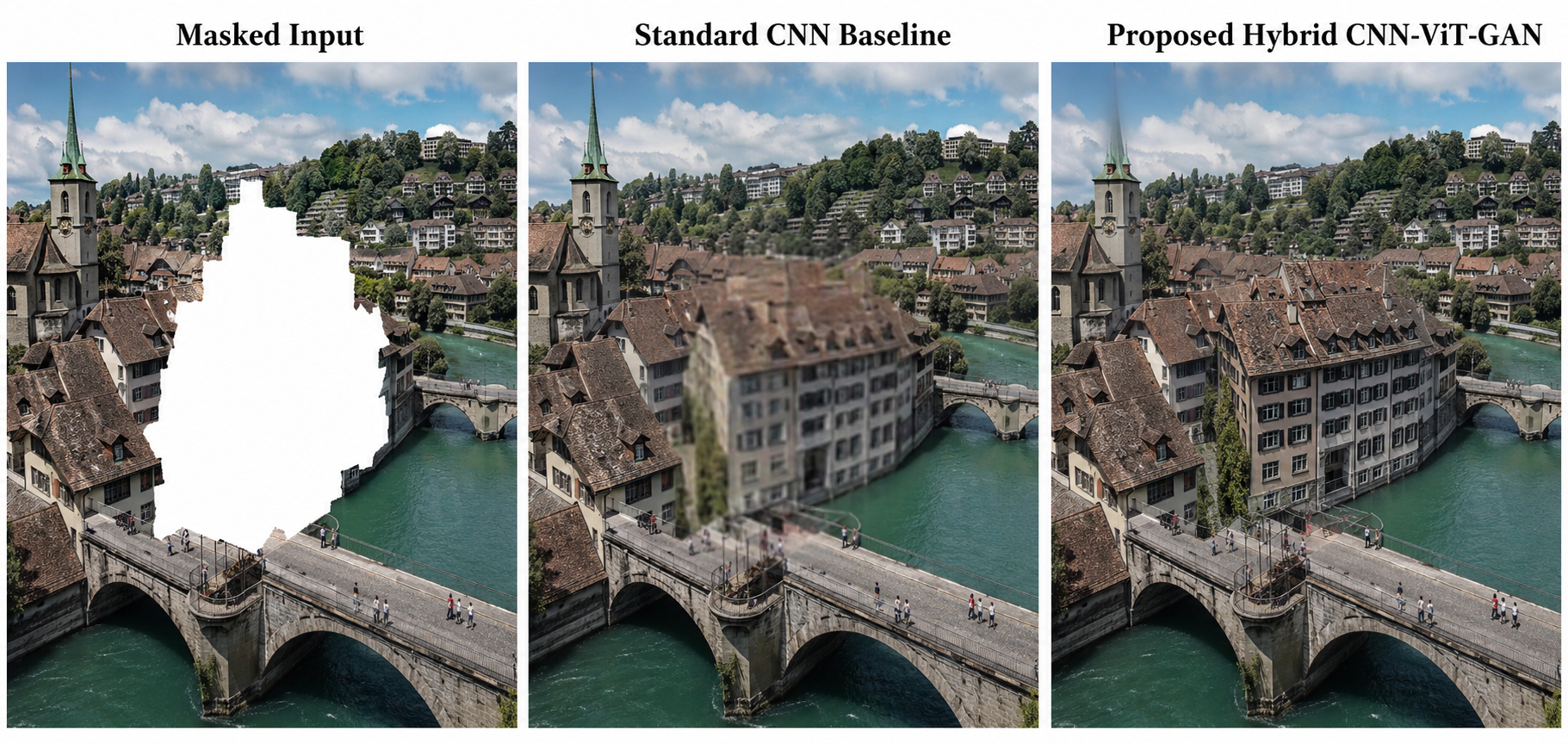
Image inpainting focuses on restoring missing parts of an image in a way that preserves both visual continuity and semantic consistency with the surrounding regions. In this study, a hybrid reconstruction model integrating convolutional neural networks, a Vision Transformer (ViT), and adversarial learning is presented to improve image completion quality. The convolutional layers are responsible for extracting local structural features, whereas the ViT component captures broader contextual relationships and long-range dependencies within the image. To enhance reconstruction performance, a combined loss structure including reconstruction, perceptual, style, edge, and adversarial losses was employed. The proposed approach was tested under various masking conditions through both quantitative and qualitative analyses. The experimental findings indicate that the model achieves strong reconstruction performance, reaching PSNR, SSIM, and LPIPS values of 36.22, 0.9779, and 0.0260, respectively. Additional ablation experiments demonstrate the importance of each architectural component. In particular, excluding the ViT module led to a noticeable decrease in PSNR performance, highlighting the significance of global contextual modeling. Likewise, removing the perceptual loss negatively affected perceptual similarity by increasing the LPIPS score. Visual evaluations indicated that the adversarial learning component contributed to generating more natural, visually coherent, and perceptually realistic reconstructions. Overall, both numerical results and visual evaluations confirm that the proposed framework provides a balanced solution for preserving structural details while maintaining perceptual realism in image inpainting applications.
Disclaimer: This image was generated using artificial intelligence and may contain inaccuracies or inconsistencies.
It is provided solely as a visual aid to facilitate the rapid understanding of the key ideas presented
in this article. Our editorial team conducts ongoing reviews of AI-generated images and will correct
or replace them whenever an error or discrepancy is identified or reported.
Authors:
Muhammet
Berigel
, İslam
Sui̇çmez
, Zehra
Altinay
, Gokmen
Dagli
Abstract:
Artificial intelligence (AI) is being integrated into health systems at different speeds, raising questions about whether health-professional education is developing alongside technological implementation. This cross-sectional, country-level study examined associations between health-system AI characteristics and pre-service and in-service AI training across the WHO European Region using 2025 data from the World Health Organization Regional Office for Europe’s Artificial Intelligence for Health in the WHO European Region (AIRA) dataset. The overall dataset included 50 countries, with analytical sample sizes varying by indicator because of unknown or missing responses. Pre-service and in-service training status were examined in relation to three health-system measures: AI Application Implementation, AI Opportunity, and AI Adoption Barrier Burden. Composite indicators were derived from conceptually related AIRA items, with equal weighting within each index and “Don’t know” responses treated as unknown rather than negative. Descriptive statistics and Kruskal-Wallis tests were used, with Holm correction for multiple testing, Dunn-Holm post-hoc comparisons where appropriate, and epsilon-squared effect sizes. Established pre-service training was reported by 20% of countries and established in-service training by 24%. The clearest association was observed for in-service training: AI Application Implementation differed significantly across training levels after Holm correction (H(2)=10.21, adjusted p=.0182, ε²=.265), with established-training countries showing higher implementation scores than both the No and Under development groups. For pre-service training, implementation scores showed an ordered descriptive pattern, but the Holm-adjusted omnibus result did not meet the .05 threshold (adjusted p = .0501). AI Opportunity and AI Adoption Barrier Burden did not significantly distinguish training levels after correction. The findings indicate that established in-service AI training is associated with broader reported AI implementation at the health-system level, while the cross-sectional design does not permit causal inference.
Disclaimer: This image was generated using artificial intelligence and may contain inaccuracies or inconsistencies.
It is provided solely as a visual aid to facilitate the rapid understanding of the key ideas presented
in this article. Our editorial team conducts ongoing reviews of AI-generated images and will correct
or replace them whenever an error or discrepancy is identified or reported.
Authors:
Haseeb
Ullah
, Husnain
Saleem
, Asia
Kanwal
, Muhammad
Javed
, Hamid
Masood Khan
, Kiran
Hanif
Abstract:
Automated Urdu hate-speech detection remains challenging because annotated resources are limited, orthography varies, and harmful meaning depends on both lexical and contextual cues. This study evaluates a leakage-safe lexical-semantic framework combining 5,000-dimensional word/bigram TF-IDF features with 768-dimensional multilingual sentence embeddings, followed by binary particle swarm optimisation (BPSO) and classical ensemble learning. Experiments used the Urdu text and binary labels from MMHS11K: 8,800 balanced training records and an untouched balanced test set of 2,200 records. BPSO selected 2,849 of 5,768 hybrid dimensions, reducing dimensionality by 50.61%. On the official test set, Stacking with the complete hybrid representation achieved Macro-F1 = 0.8468 and ROC-AUC = 0.9265; the PSO-selected representation achieved Macro-F1 = 0.8391 and ROC- AUC = 0.9196. After mask selection, classifier fitting time decreased by 52.24%, excluding sentence-embedding extraction and BPSO search. Leakage-safe nested five-fold validation showed a similar trade-off: fitting time decreased by 52.64%, with Macro-F1 = 0.8444 ± 0.0066 after PSO versus 0.8492 ± 0.0110 without PSO. Soft Voting and Stacking were statistically comparable on selected features. Three-seed transformer aggregates performed better: Urdu-RoBERTa achieved the highest Macro-F1 (0.8836), and XLM-R achieved the highest ROC-AUC (0.9529). Holm-corrected exact McNemar tests confirmed that transformer aggregates significantly outperformed PSO Stacking. Overall, BPSO approximately halves representation size and downstream classical-model fitting time, with a small predictive decrease that was not statistically significant relative to complete-hybrid Stacking after correction.
Disclaimer: This image was generated using artificial intelligence and may contain inaccuracies or inconsistencies.
It is provided solely as a visual aid to facilitate the rapid understanding of the key ideas presented
in this article. Our editorial team conducts ongoing reviews of AI-generated images and will correct
or replace them whenever an error or discrepancy is identified or reported.
Authors:
Risha
K. P
, Jude
Hemanth D
Abstract:
Innovation is integral to human existence, and research on modernisation aimed at enhancing daily life has proliferated in recent decades. One notable advancement is the evolution of AI, and we are in the era of machine intelligence. These developments are essential for society, as access to these amenities is not restricted to any specific group. A prevalent application of intelligent technology is traffic monitoring. A paramount application is Automatic Number Plate Recognition (ANPR) systems; various technologies are being developed to enhance performance. Research into innovative technologies, their enhancement, and the advancement of existing methods commenced several years ago and remains essential. Real-time video-based ANPR systems are complex and essential for modern intelligent transportation applications. This study presents a systematic review of real-time video-based automatic number plate recognition systems, tracing the evolution from traditional image processing to deep learning, end-to-end methods, and Transformer-based methods. We compare detection and recognition techniques and identify the limitations of current ANPR systems. The review concludes with proposed directions for developing more robust and efficient ANPR systems for real-time traffic analysis in intelligent transportation systems.
Disclaimer: This image was generated using artificial intelligence and may contain inaccuracies or inconsistencies.
It is provided solely as a visual aid to facilitate the rapid understanding of the key ideas presented
in this article. Our editorial team conducts ongoing reviews of AI-generated images and will correct
or replace them whenever an error or discrepancy is identified or reported.
Authors:
Narmadha
R
, Leo
A
, Saji
Abraham
, Shalini
Divya Prasanna A
, Janani
T
, Kevin
Joseph J
, Lourdu
Stepy P
Abstract:
This facial emotion recognition (FER) framework, which is the basic system that integrates technologies and processes related to facial emotion recognition, will be used in a relevant research project—we will explore whether facial emotion recognition, the technology that judges current emotions based on facial expressions, can become a component of retail decision analysis tools that perceive emotions. If customers' emotions can be accurately identified, future retail decision support applications will gain an additional piece of reference information reflecting customers' behaviours. Most of the previous CNN-based FER systems focus on static frames for classification without considering the temporal evolution of emotions. In this paper, three deep learning models—CNN, Mini-Xception, and CNN–LSTM are compared in the context of facial emotion recognition for retail decision analytics. CNN and Mini-Xception are spatial methods, while CNN–LSTM combines spatial and temporal information. CNN models are pre-trained on the FER-2013 database (35,887 images) and CNN-LSTM is tested on the CK+ dataset (981 sequences). In the experimental environment of CK+, the CNN-LSTM model processes temporally ordered expression sequences and achieves an accuracy rate of 92.42%. This result proves that under this experimental setup of CK+, the method of modelling sequential time-series data is effective. As for the application of this framework to support retail decision analysis, it can only be regarded as a potential expansion direction at present—all relevant research on it is completed based on existing, reference benchmark facial expression datasets, and has never used transaction-related data generated in real retail scenarios, so it cannot be implemented in actual retail business for the time being.
Disclaimer: This image was generated using artificial intelligence and may contain inaccuracies or inconsistencies.
It is provided solely as a visual aid to facilitate the rapid understanding of the key ideas presented
in this article. Our editorial team conducts ongoing reviews of AI-generated images and will correct
or replace them whenever an error or discrepancy is identified or reported.
Authors:
Olasile
Babatunde Adedoyin
, Fahriye
Altinay
, Gokmen
Dagli
, Zehra
Altinay
Abstract:
Artificial intelligence (AI) research in health education has grown exponentially since the public release of ChatGPT in November 2022. However, questions remain regarding whether this growth represents a mature scholarly field or simply a self-feeding loop of publication growth. This bibliometric study examines the relationship between the increase in publications, citation impacts, and the thematic reorientation towards generative artificial intelligence after the launch of ChatGPT. Bibliographic records were extracted from Web of Science, Scopus, and PubMed and combined into one dataset comprising 4,358 publications after removing duplicates to address the limitation of the previous bibliometric analysis (based on only one bibliographic database). The R packages bibliometrix and biblioshiny were used to visualise and analyse the bibliometric data. Annual publications and citations, distribution of sources and authors, and thematic structure based on Author’s Keywords (with keyword-field cleaning to eliminate indexing inconsistencies and combine related terms) were explored. The number of publications increased from 228 in 2022 to 1,550 in 2025, with an average annual growth of 56.48%. The growth peak was observed roughly one year after the release of ChatGPT, not right away, from 2023 to 2024. The average citation impact per document peaked in 2023, and it dropped steadily in all the following years, both for raw and time-normalised citation impact, with citation-impact concentration remaining locked onto the year immediately following ChatGPT's release. Thematic analysis revealed that in 2024, ChatGPT and other large language models started to dominate over machine learning, which previously accounted for the majority of publications. By employing factorial analysis, another cluster emerged from the documents, which associated particular Generative AI tools with measures of information quality (accuracy, readability). AI in health education research since ChatGPT's appearance may not only exhibit characteristics of either the evidence-generating or the enthusiastic type but also demonstrates tendencies suggesting that the former currently outweighs the latter. The results suggest a possible gap between the quantitative expansion of the literature and the consolidation of the field. The article explores the implications of these findings for research, funding, and health-education practice and outlines several productive directions for future bibliometric analysis.
Disclaimer: This image was generated using artificial intelligence and may contain inaccuracies or inconsistencies.
It is provided solely as a visual aid to facilitate the rapid understanding of the key ideas presented
in this article. Our editorial team conducts ongoing reviews of AI-generated images and will correct
or replace them whenever an error or discrepancy is identified or reported.
Authors:
Olasile
Babatunde Adedoyin
, Zehra
Altinay
, Nedime
Karasel
Abstract:
The integration of artificial intelligence (AI) in education and training presents not only significant opportunities but also critical ethical challenges that warrant careful consideration. This study investigates the current state of knowledge on AI ethics in education by analysing annual publication trends, key scholarly sources, prominent conceptual themes (keywords), and the interrelationships among these concepts. Additionally, it explores prospective teachers’ perspectives on ethical issues associated with AI in educational settings and their proposed solutions. The research is structured in two parts. Part A employs a bibliometric analysis of publications indexed in the Web of Science and Scopus databases to examine trends in scholarly output, identify influential sources, and map the conceptual structure of the field. Part B utilises thematic content analysis to interpret teacher candidates’ views on ethical challenges in the educational application of AI and their suggestions for addressing these concerns. Findings reveal that the annual distribution of publications on AI ethics in education has followed a gradual growth pattern, with minimal output from 1985 until a notable increase post-2021, reflecting the emerging nature of this field. Thematic analysis of teacher candidates' responses indicated that ethical AI is both a technical and a human problem: teacher education must combine technical literacy (what models do and can do), ethical reflection (values, privacy, fairness), and practical pedagogy (classroom policies, assessment design, and student support). The predominant themes in teacher candidates’ likely solutions to the ethical problems in the application of AI in education underscore the importance of policy fluency, participatory design, ethical pedagogy, and continuous professional development ecosystems. The study concludes by proposing a future research agenda to advance the field and discusses implications for policy and educational practice.
Neuroscience in the Age of Artificial Intelligence
Disclaimer: This image was generated using artificial intelligence and may contain inaccuracies or inconsistencies.
It is provided solely as a visual aid to facilitate the rapid understanding of the key ideas presented
in this article. Our editorial team conducts ongoing reviews of AI-generated images and will correct
or replace them whenever an error or discrepancy is identified or reported.
Authors:
Olena
Tadeush
, Olena
Teplova
, Iryna
Maidaniuk
, Kostiantyn
Levchuk
, Svitlana
Bogatchuck
, Vira
Korniat
Abstract:
Education plays a key role in shaping the identity of civilisations. This is particularly important in contexts where high-quality human capital serves as a major factor in socio-economic growth and a fundamental tool for attracting investment resources. As a result, the global competitiveness of education has come to the forefront in various sustainable development strategies. In a knowledge-based economy, higher education plays a crucial role in the formation of highly productive human capital. It creates favourable conditions for generating knowledge and promoting innovation. At the same time, investment in education enhances the competitiveness of the EU and stimulates its socio-economic growth. In particular, this article emphasises the role of transforming educational content and forms through the integration of artificial intelligence (AI) into the learning process. It discusses the transition from classical models to personalised learning pathways based on Big data and AI algorithms. It also explores how technological challenges force a reconsideration of educational content, shifting the focus from knowledge transmission towards the development of critical thinking and neuroethical responsibility. Conceptual approaches are proposed to align European educational standards with the requirements of the digital age, in which humans remain responsible for controlling automated systems.
Disclaimer: This image was generated using artificial intelligence and may contain inaccuracies or inconsistencies.
It is provided solely as a visual aid to facilitate the rapid understanding of the key ideas presented
in this article. Our editorial team conducts ongoing reviews of AI-generated images and will correct
or replace them whenever an error or discrepancy is identified or reported.
Authors:
Mykola
Chumak
, Volodymyr
Sushko
, Yuliia
Sylenko
, Inna
Fedorova
, Yuliia
Kolisnyk Humeniuk
, Liudmyla
Slobodianiuk
Abstract:
The article examines the emerging role of virtual and augmented reality technologies in distance learning. It addresses the challenges of adapting these technologies to enhance student learning outcomes. Particular attention is given to the neuropsychological mechanisms involved in reducing the “cognitive gap” and mitigating social isolation in online learning environments. The study further discusses the integration of empirical methods as a means of improving educational effectiveness. In addition, a six-step methodology is proposed to support the adoption of these technologies as core components of distance education. This methodology ranges from teacher training to the deployment of cloud-based immersive platforms. The findings indicate that augmented reality, particularly when implemented through mobile devices, can eliminate the need for physical laboratories. It maintains a strong sense of presence and ensures high levels of student engagement, regardless of geographical location. At the same time, the article critically analyses the limitations of immersive models, including rigid linear scenarios, students’ cognitive passivity, and the lack of timely online feedback.
Disclaimer: This image was generated using artificial intelligence and may contain inaccuracies or inconsistencies.
It is provided solely as a visual aid to facilitate the rapid understanding of the key ideas presented
in this article. Our editorial team conducts ongoing reviews of AI-generated images and will correct
or replace them whenever an error or discrepancy is identified or reported.
Authors:
Liudmyla
Yasnohurska
, Olga
Mayevska
, Kateryna
Rybakova
, Larysa
Duz
, Zhanna
Davydova
, Alina
Medynska
Abstract:
The rapid expansion of digital technologies in education has reshaped the landscape of foreign language instruction, making the use of online platforms increasingly important in contemporary educational practice. As online learning environments have become increasingly integrated into higher education, there is a growing need to enhance understanding of the ways innovative, technology-mediated approaches are used to support foreign language development, foster learner autonomy, and improve engagement in English as a Foreign Language (hereinafter – EFL) contexts. Despite the growing body of research on the subject-matter in question, limited empirical evidence is provided concerning the effectiveness of different technology-enhanced instructional models in comparative studies. The study aimed to compare the effectiveness of flipped-blended learning, task-based language teaching integrated with sociocultural principles and traditional teacher-centered instruction. The latter were tested in terms of their effectiveness in developing EFL learners’ communicative competence, learner autonomy, self-regulation, metacognitive awareness, and language learning strategies. An experimental action research based on mixed methods was employed at two Ukrainian universities. It involved 69 undergraduate EFL learners divided into three groups. The data were collected through communicative competence assessments, a learner autonomy questionnaire, classroom observations, and semi-structured interviews. The intervention group 1 received flipped classroom instruction in a blended mode. The students were offered the option to complete interactive online exercises, take adaptive quizzes, join synchronous speaking labs, and create reflective e-portfolios. Intervention group 2 was working in compliance with a multimodal task-based model supported by sociocultural principles, completing a range of collaborative digital tasks. The control group was taught through conventional, teacher-led instruction with limited technological integration. As a result, the students of all three groups demonstrated positive achievements, yet the intervention group 2 revealed the most noticeable ones. The changes mainly affected their foreign communicative competence and metacognitive awareness development. In addition, the learners advanced in using diverse learning strategies and were more engaged in the learning process. On the contrary, the considerable growth in self-reflection and management of digital tools was seen in the intervention group 1. Finally, the control group made slow progress. These outcomes indicate that technology-enhanced task-based language teaching supported by sociocultural principles brings the strongest results for developing communicative competence, learner autonomy, and learner engagement. On the contrary, flipped-blended learning is particularly effective in promoting reflective learning and the self-regulated use of digital tools. Regarding the quality and depth of foreign language instruction, the research demonstrates the feasibility of innovative approaches to foreign language teaching using online platforms. However, their efficiency is enhanced when they align with established methodological approaches, such as the sociocultural approach and task-based language teaching (hereinafter – TBLT). Although the results are partially interpreted from a neurocognitive perspective, the study did not use direct cognitive or neuroscientific procedures.
Disclaimer: This image was generated using artificial intelligence and may contain inaccuracies or inconsistencies.
It is provided solely as a visual aid to facilitate the rapid understanding of the key ideas presented
in this article. Our editorial team conducts ongoing reviews of AI-generated images and will correct
or replace them whenever an error or discrepancy is identified or reported.
Authors:
Olena
Rebrova
, Tetiana
Shostachuk
, Iryna
Mardarova
, Oleksii
Lystopad
, Ganna
Ralo
, Halyna
Nikolai
Abstract:
The article reviews the axiological and institutional foundations of holistic education development in the European sociocultural space. It synthesises pedagogical theory, the concept of empowerment pedagogy, and a critical analysis of educational neuroscience data. The research gap is substantiated by the lack of systematic research on the transformation of declarative European values (democracy, tolerance, and inclusion). The study focuses on how these values are transformed into stable cognitive-behavioural patterns at the level of the brain’s frontolimbic system. The methodological boundaries of this conceptual synthesis are then clearly outlined. The study cautions against the direct projection of laboratory neurobiological data onto complex pedagogical practices. In addition, the article clarifies the conceptual and categorical apparatus, including “cognitive immunity”, “restorative neurosociety”, “algorithmic unity”, and “empowerment pedagogy”. Special emphasis is placed on the neuropedagogical dimension of incorporating European values into the educational space, with humanistic guidelines considered higher cognitive-affective metaprogrammes. The article suggests that the assimilation of liberal values functionally depends on the ability of the prefrontal cortex to suppress amygdala hyperactivity, which reduces the level of xenophobia and aggression. A model of a “restorative neurosociety” is proposed. It is conceptualised through institutional educational hubs and targeted cognitive-motor practices (bilateral stimulation and isochronous motor driving). These practices are considered hypothetical facilitators of the mechanisms of Hebbian plasticity and oxytocinergic modulation. Furthermore, the theoretical foundations of the “algorithmic unity” concept within Education 4.0 as a new stage of the Bologna Process are justified. The main limitations of the study are identified. These include the interdisciplinary complexity of verifying neuromarkers in the real educational process. Finally, the article outlines prospects for further research in the field of neuroethical regulation of artificial intelligence in higher education. This approach may support long-term potentiation (LTP) of neural ensembles associated with empathy, mirror neurones, and social affiliation. It may transform external sociocultural axioms into stable internal “cognitive immunity” and psychological resilience in modern youth.
Disclaimer: This image was generated using artificial intelligence and may contain inaccuracies or inconsistencies.
It is provided solely as a visual aid to facilitate the rapid understanding of the key ideas presented
in this article. Our editorial team conducts ongoing reviews of AI-generated images and will correct
or replace them whenever an error or discrepancy is identified or reported.
Authors:
Viktoriia
Vdovenko
, Nataliia
Onyshchenko
, Viktor
Reshetniak
, Ruslana
Soichuk
, Liudmyla
Starikova
, Lesia
Koltok
Abstract:
The article proposes approaches to addressing the problem of preparing future teachers based on an interdisciplinary paradigm. This paradigm focuses on preparing future primary school teachers to use information technologies in their professional practice and on applying multimedia technologies in the educational process of primary and higher education. This pilot exploratory study aims to formulate research hypotheses and establish a methodological framework for integrating neuropedagogical principles into ICT training systems. The article also provides a rationale for the neuropsychological assessment of the brain organisation of future primary school teachers in the experimental group. The assessment is based on contemporary advances in neurophysiology and neuropsychology, particularly research on the functional hemispheric asymmetry of the brain during the use of information technologies. The article further presents the results of assessing the functional hemispheric asymmetry of future primary school teachers obtained during the experimental study. From the perspective of neuropedagogy, this study proposes a pedagogical system of synthesised learning that incorporates information technologies while taking into account the natural characteristics of thinking. Particular attention is given to the methodological aspects of synthesised learning for future primary school teachers with different patterns of laterality. Such teachers are viewed as the cognitive architects of the digital learning environment. This theoretical model is designed to minimise the risk of teachers’ neurocognitive burnout while enhancing information processing among primary school pupils. The findings presented in the article may be used to improve teaching methodology in primary education.
Biomedical and Clinical Artificial Intelligence Applications
Disclaimer: This image was generated using artificial intelligence and may contain inaccuracies or inconsistencies.
It is provided solely as a visual aid to facilitate the rapid understanding of the key ideas presented
in this article. Our editorial team conducts ongoing reviews of AI-generated images and will correct
or replace them whenever an error or discrepancy is identified or reported.
Authors:
Cosmin
Tomozei
, Iulia
Furdu
, Bogdan
Pătruț
, Florinela
Floria
, Dan
Trofin
Abstract:
The objective of this paper is to conduct a comprehensive analysis of the development process of multiplatform mobile applications, for the efficient processing of ultrasound images by means of software engineering technologies. A representative case analysed is the synovial ganglion of the wrist, a problem often encountered among software engineers, generated mainly by the vicious position of the arms and hands. Using a set of state-of-the-art software development technologies and relying on a Mindray Z60 ultrasound device, we developed a mobile application to streamline the ultrasound examination process. We tested it for an appropriate time tracking of the evolution of wrist ganglion morphology, size and symptoms towards either healing or augmentation. A prototype mobile application was developed, demonstrating improved efficiency in the ultrasound examination workflow, as an essential part of diagnosis and treatment. Thus, the information becomes ubiquitous and can be studied as it evolves over time, improving both the anamnesis process and doctor-patient communication. Customised multiplatform mobile applications for ultrasound image data management can contribute in assisting medical decisions and better communication.
Disclaimer: This image was generated using artificial intelligence and may contain inaccuracies or inconsistencies.
It is provided solely as a visual aid to facilitate the rapid understanding of the key ideas presented
in this article. Our editorial team conducts ongoing reviews of AI-generated images and will correct
or replace them whenever an error or discrepancy is identified or reported.
Authors:
Rareș
Arvinte
, Diana
Trandabăț
, Dan
Cristea
Abstract:
This retrospective framework study presents Medical Integrated Therapy Optimisation and Forecasting (MITOF), an integrated clinical artificial-intelligence framework for immunosuppressive therapy in renal transplantation, in which patient risk stratification, dosage optimisation, dosage forecasting and structured clinical reporting are combined into a single workflow with role-based views for doctors, patients and hospital management. The framework was validated on Romanian retrospective clinical datasets, with most components grounded in a renal-transplant cohort of 22,885 transplant follow-up hospitalisation records between 2007 and 2022. The predictive components were validated retrospectively against recorded outcomes: the survivability classifier reached an accuracy of 92.9% and an area under the curve of 0.843, the LSTM forecaster outperformed an ARIMA baseline on irregular tacrolimus series, and the dosage model was most stable with the Huber loss and the Adam optimiser. We are careful about what each result establishes: the dosage model reproduces clinical practice rather than proven optimality, and the quality and usefulness of the generated report, together with the clinical value of the platform, will be evaluated through a planned clinician reader study and a prospective pilot. The main contribution is the integration itself, with role-based reporting and value-level traceability, validated module by module on Romanian transplant data. At the platform level, MITOF is organised around three clinical-AI requirements: clinical reviewability, role-specific abstraction and value-level provenance, so that model outputs remain inspectable rather than acting as autonomous decisions.
Disclaimer: This image was generated using artificial intelligence and may contain inaccuracies or inconsistencies.
It is provided solely as a visual aid to facilitate the rapid understanding of the key ideas presented
in this article. Our editorial team conducts ongoing reviews of AI-generated images and will correct
or replace them whenever an error or discrepancy is identified or reported.
Authors:
Nyni
K. A.
, J.
Anitha
, Jarin
T.
Abstract:
Lung diseases remain a severe world health problem, which contributes to mortality worldwide. Early and accurate diagnosis of pulmonary abnormalities using chest radiographs is essential to improve clinical management and patient outcomes. Although deep learning (DL) models have achieved considerable success in automated lung disease classification, convolutional networks involve challenges in capturing local pathological patterns and global contextual dependencies. Furthermore, growing interest in quantum machine learning has provided new paths for improving feature representation and classification efficiency. To overcome these challenges, the present study proposes a Quantum-Enhanced Vision Transformer Network (QEViT) for automated classification of lung disease from chest X-ray images (CXR). The proposed work integrates EfficientNetB4 for hierarchical feature extraction, Convolutional Block Attention Module (CBAM) for attention-guided feature refinement, Vision Transformer (ViT) for global contextual modelling, and a Variational Quantum Circuit (VQC) for quantum feature generation. The effectiveness of the proposed QEViT was evaluated on the Lung Disease Dataset and the COVID-19 Radiography Database, achieving classification accuracies of 99.8% and 99.7%, respectively. Experimental outcomes proved that integrating DL, attention mechanisms, transformer-based contextual learning, and quantum feature generation improves classification performance. Finally, explainable artificial intelligence (XAI) using Grad-CAM and Score-CAM was incorporated to provide visual interpretations of the model’s predictions. The proposed QEViT network may support automated CXR image analysis for lung disease classification.
Disclaimer: This image was generated using artificial intelligence and may contain inaccuracies or inconsistencies.
It is provided solely as a visual aid to facilitate the rapid understanding of the key ideas presented
in this article. Our editorial team conducts ongoing reviews of AI-generated images and will correct
or replace them whenever an error or discrepancy is identified or reported.
Authors:
Neethu
Rose Thomas
, J.
Anitha
Abstract:
Segmenting tumors from computed tomography (CT) scans of the kidneys can help to guide surgical procedures, monitor treatment efficacy, and to predict outcomes for patients with renal cell carcinoma (RCC). However, the extreme foreground–background class imbalance, wide morphological heterogeneity of renal masses, and the visual overlap between benign cysts and malignant tumors prevents the accurate diagnosis of kidney tumors. In this paper, RenalTCN, a hybrid network formed by combining a convolutional encoder-decoder with a transformer bottleneck to learn local fine details and anatomical features. Pure conventional networks are efficient for capturing local details but fail at capturing global details. Conversely, transformer-based networks capture long-range dependencies at the expense of fine spatial precision and computational efficiency. RenalTCN combines both convolutional network and transformer models to overcome the difficulties faced by both the models. The present model is supervised with auxiliary outputs, a well-designed weight decay for focal, Dice and cross-entropy losses to overcome the dramatic class imbalance. Additionally, this approach can be helpful in practical optimisations, gradient accumulation, mixed precision, and cosine annealing using differentiated learning rate to stabilise and accelerate convergence. On the validation set, RenalTCN achieved Dice scores of 0.965 ± 0.02 for the kidney and 0.820 ± 0.08 for the tumor. It has been shown to be consistent across the size of the tumor, with good sensitivity of 90% for small tumors (less than or equal to 4 cm), 100% for medium-size (4–7 cm) and 96% for large tumors (>7 cm). The ablation studies demonstrated that each design decision is crucial and removing the Transformer bottleneck alone resulted in the most significant drop in Dice score (4.0%), indicating the most significant drop in Tumor Segmentation accuracy. In general, RenalTCN strikes a sensible compromise between model complexity and computational cost and its training framework directly addresses the two primary issues of class imbalance and optimisation instability, making it feasible for real-world clinical scenarios that have limited hardware resources.
Disclaimer: This image was generated using artificial intelligence and may contain inaccuracies or inconsistencies.
It is provided solely as a visual aid to facilitate the rapid understanding of the key ideas presented
in this article. Our editorial team conducts ongoing reviews of AI-generated images and will correct
or replace them whenever an error or discrepancy is identified or reported.
Authors:
Aangi
Shah
, Ajay
Goyal
Abstract:
Psychiatric diagnosis relies heavily on subjective clinical evaluation, limiting objective differentiation across co-occurring disorders. This study presents an interpretable multiclass electroencephalography (EEG)-based framework for —Addictive Disorder, Anxiety Disorder, Mood Disorder, Obsessive-Compulsive Disorder (OCD), Schizophrenia, Trauma and Stress-Related Disorder—and Healthy Controls. A dataset of 945 subjects with 1,140 EEG-derived spectral and coherence features was analysed, with variance-based selection reducing the feature space to 300 descriptors. Classification was performed using Extreme Learning Machine (ELM), Naïve Bayes (NB), and Support Vector Machine (SVM) within a one-vs-all architecture. NB demonstrated comparatively limited discriminative capability (F1: 35.33%–72.76%). ELM achieved stable performance with F1-scores ranging from 66.03% to 89.31% and consistently higher testing accuracies across all classes, including 95.12% for OCD and 90.34% for Healthy Controls. SVM yielded the highest precision–recall balance across most classes, achieving F1-scores of 94.00% for OCD, 84.08% for Anxiety Disorder, and 79.84% for Schizophrenia. Mood Disorder remained the most challenging class (maximum F1: 66.03%). Bandwise analysis identified theta-band features as the most discriminative within the present dataset , achieving 91.57% standalone accuracy. These results suggest that EEG-derived spectral and coherence features, when combined with lightweight machine learning classifiers, can support multiclass psychiatric classification with variable class-wise performance. However, the lower performance observed for Mood Disorder and the reliance on a single public dataset indicate that further external validation, statistical comparison, and multimodal feature integration are required before clinical translation.
Disclaimer: This image was generated using artificial intelligence and may contain inaccuracies or inconsistencies.
It is provided solely as a visual aid to facilitate the rapid understanding of the key ideas presented
in this article. Our editorial team conducts ongoing reviews of AI-generated images and will correct
or replace them whenever an error or discrepancy is identified or reported.
Authors:
George
Cătălin Moroșan
, Roxana
Florentina Gavril
, Liviu
Ciprian Gavril
, Ana
Maria Dumitrescu
, Irina
Florentina Bușilă
, Laura
Florea
, Mihaela
Dora Donciu
, Carmen
Valerica Rîpă
, Lucia
Corina Dima Cozma
, Roxana
Gabriela Cobzaru
, Anca
Sava
Abstract:
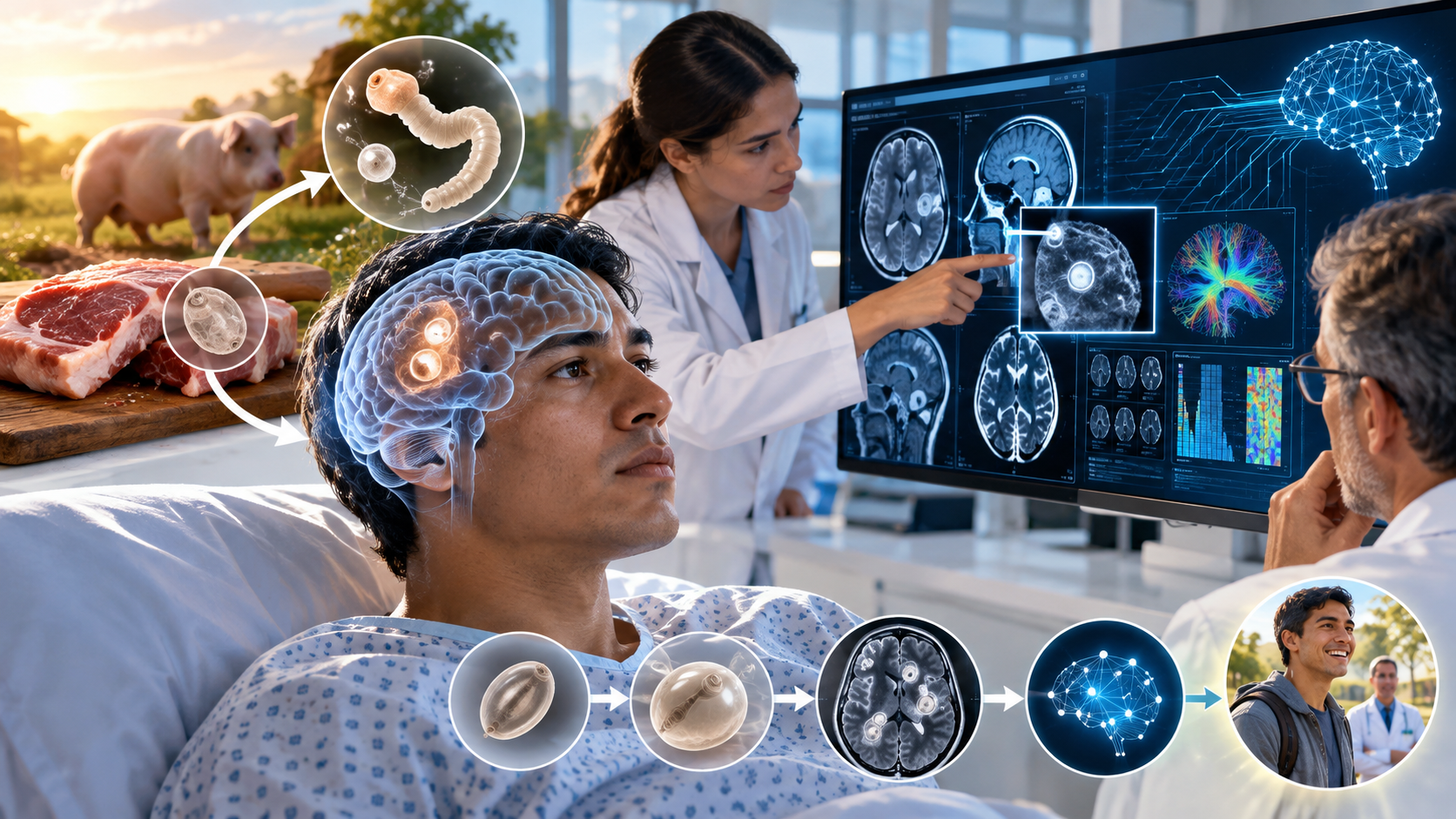
Neurocysticercosis (NCC), caused by the larval stage of Taenia solium, remains the most common parasitic infection of the central nervous system and a leading cause of acquired epilepsy worldwide. Despite substantial advances in neuroimaging, diagnosis and prognostic assessment remain challenging because of the heterogeneous clinical presentation and variable radiological features of the disease. Emerging developments in artificial intelligence (AI), radiomics, connectomics, and predictive computational neurology offer novel opportunities to improve diagnostic accuracy and individualised patient management. A structured literature search was conducted using PubMed, Scopus, Web of Science, and Google Scholar to identify peer-reviewed studies published between 2000 and 2025. The retrieved evidence was synthesised in a comprehensive narrative review focusing on the pathophysiology, neuroanatomical manifestations, neuroimaging characteristics and emerging computational applications in neurocysticercosis. Current evidence confirms the central role of computed tomography and magnetic resonance imaging in the diagnosis and staging of neurocysticercosis. Recent advances in radiomics, connectomics, machine learning, and deep learning demonstrate promising potential for improving lesion characterisation, differential diagnosis, quantitative imaging analysis, and prediction of neurological outcomes. Although disease-specific AI applications remain limited, computational methodologies successfully applied in neuroradiology, epilepsy, and neuro-oncology may be adapted to neurocysticercosis, supporting the development of predictive computational neurology and precision medicine. Neurocysticercosis represents a promising model for the future integration of neuroimaging, computational neuroscience, and artificial intelligence. However, current evidence remains limited by the scarcity of disease-specific datasets and the lack of large-scale clinical validation. Future multicenter studies integrating radiomics, connectomics, explainable AI, and standardised neuroimaging protocols will be essential for translating computational advances into clinically applicable diagnostic and prognostic tools capable of improving individualised neurological care.
Disclaimer: This image was generated using artificial intelligence and may contain inaccuracies or inconsistencies.
It is provided solely as a visual aid to facilitate the rapid understanding of the key ideas presented
in this article. Our editorial team conducts ongoing reviews of AI-generated images and will correct
or replace them whenever an error or discrepancy is identified or reported.
Authors:
Andreea
Nicoleta Tovârnac
, Eva
Maria Elkan
, Florin
Tovârnac
, Diana
Ionescu
, Lăcrămioara
Ilie
, Carmen
Laura Cristescu Budală
, Gabriela
Gurău
Abstract:
This exploratory study examined whether anthropometric adiposity and systemic inflammatory response represent convergent or partially distinct biological dimensions in neurological disease, and whether these characteristics differ according to cerebrovascular ischemic-event status. A retrospective observational analysis included 32 clinical monitoring observations from adults evaluated in a neurology department. Anthropometric indicators comprised body mass index (BMI), mid-upper arm circumference (MUAC), waist circumference, and waist-to-height ratio (WHtR). Inflammatory markers included erythrocyte sedimentation rate (ESR), leukocyte, neutrophil, lymphocyte counts, and neutrophil-to-lymphocyte ratio (NLR). Spearman correlations, Benjamini–Hochberg false-discovery-rate correction, Kruskal–Wallis and Mann–Whitney tests, Cliff’s delta, and sensitivity analyses for extreme NLR values were applied. As results, excess body weight was common: 50.0% of observations were overweight and 37.5% obese. NLR was markedly right-skewed (median 3.20; IQR 2.35–4.57). None of the 20 anthropometric–inflammatory correlations remained significant after false-discovery-rate correction. BMI–NLR (ρ=-0.285, p=0.135) and waist circumference–NLR (ρ=-0.350, p=0.063) associations were inverse and nonsignificant. In contrast, strong within-domain correlations were observed, including BMI–WHtR (ρ=0.860) and leukocyte–neutrophil counts (ρ=0.901). Inflammatory markers did not differ significantly across BMI categories. Fourteen observations were classified as cerebrovascular ischemic events; neither anthropometric measures nor NLR significantly differentiated these from other neurological diseases. Sensitivity analyses excluding extreme NLR values did not materially change the findings. In conclusion, anthropometric adiposity and systemic inflammatory response showed strong internal but limited cross-domain coherence. In this small neurological cohort, NLR was not a direct surrogate of adiposity or an isolated discriminator of cerebrovascular ischemic events. These findings support multidimensional, context-dependent interpretation of adiposity and inflammation in neurological disease.
Disclaimer: This image was generated using artificial intelligence and may contain inaccuracies or inconsistencies.
It is provided solely as a visual aid to facilitate the rapid understanding of the key ideas presented
in this article. Our editorial team conducts ongoing reviews of AI-generated images and will correct
or replace them whenever an error or discrepancy is identified or reported.
Authors:
Kristijan
Cincar
, Victoria
Iordan
, Florentina
Anica Pintea
Abstract:
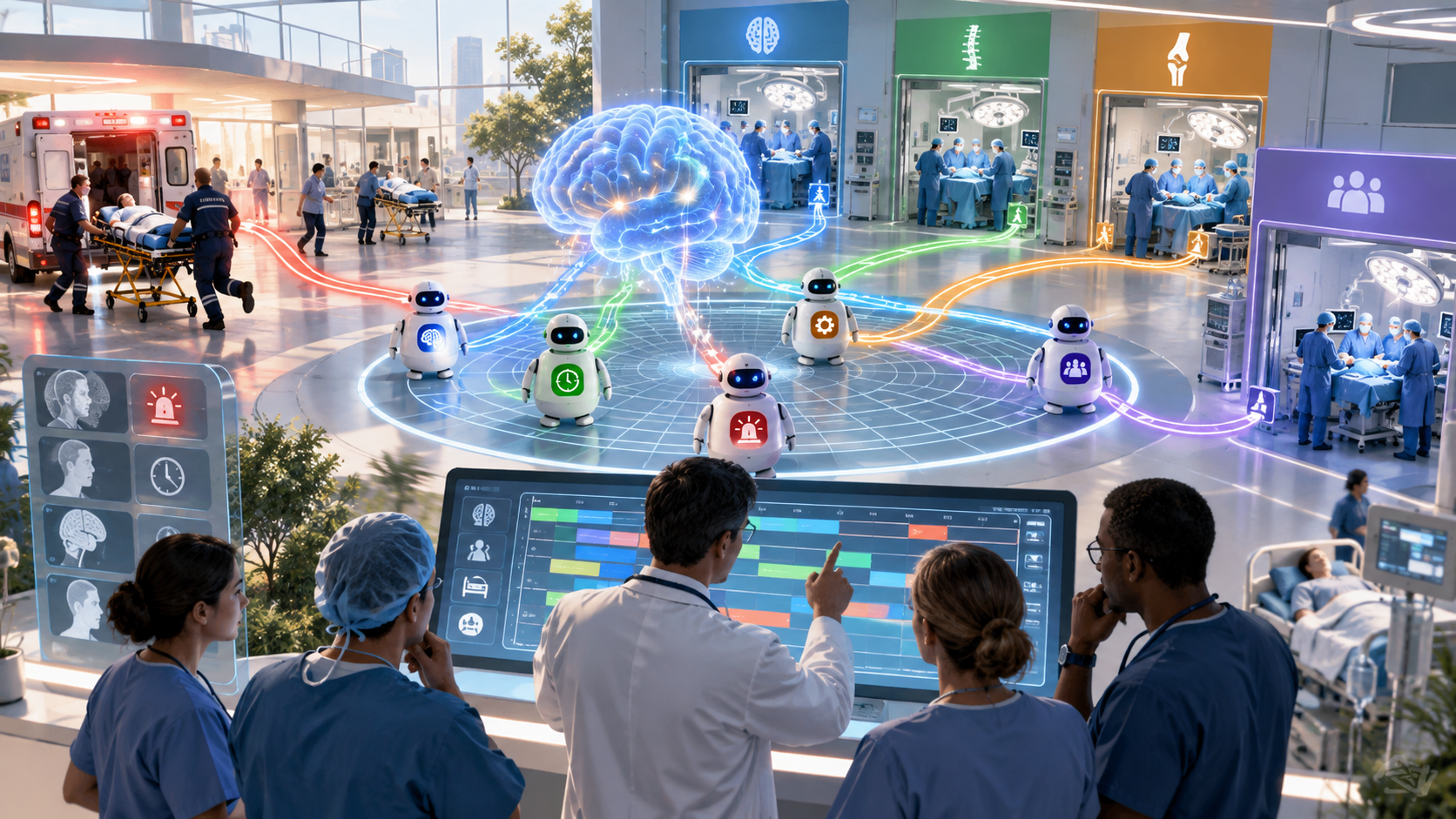
Dynamic surgical scheduling must accommodate uncertain procedure durations, emergency arrivals, resource outages, and competing access and workload objectives. This paper presents NeuroCare Grid, a multi-agent scheduling architecture coordinated through an interpretable, multi-channel stigmergic field, and evaluates NeuroCare-H, its deterministic heuristic implementation. In a disclosed 30-day discrete-event simulation involving 500 synthetic admissions and an emergency share of 15.2%, NeuroCare-H achieved a scheduling rate of 92.47% ± 1.92%, an emergency waiting time of 0.01 ± 0.01 days, and operating-room utilization of 98.18% ± 1.20%. The corresponding FCFS results were 87.68% ± 1.02%, 0.40 ± 0.11 days, and 94.65% ± 1.96%, respectively. All three comparisons were based on 30 paired seeds and remained significant after Holm correction, with p < 0.00001. The scheduling advantage over FCFS persisted when the workload was increased to two and three times the baseline level. However, urgency-based scheduling produced a less equal distribution of waiting times, with a Gini coefficient of 0.63 for NeuroCare-H compared with 0.36 for FCFS. Removing the field slightly increased the scheduling rate from 92.47% to 92.81%, but worsened the Gini coefficient from 0.63 to 0.70. Replacing the multi-channel field with a pooled scalar produced no detectable difference. In a separate bootstrap experiment based on 37 surgical admissions from the open MIMIC-III Demo, the emergency share increased to 78.4%, and the scheduling-rate difference between NeuroCare-H and FCFS was no longer statistically significant (p = 0.13). These results establish a reproducible heuristic benchmark within the stated simulator and support the need for external operational validation before clinical use.
Disclaimer: This image was generated using artificial intelligence and may contain inaccuracies or inconsistencies.
It is provided solely as a visual aid to facilitate the rapid understanding of the key ideas presented
in this article. Our editorial team conducts ongoing reviews of AI-generated images and will correct
or replace them whenever an error or discrepancy is identified or reported.
Authors:
Marius
Dobîndă-Albu
Abstract:
Wearable accelerometry brings gait assessment closer to clinical feasibility. Recording quality and unequal signal duration can still influence between-group comparisons. This study evaluated a quality-controlled, bilateral, multi-segment accelerometry pipeline in 31 participants (15 with pathological gait and 16 with physiological gait) who walked 30 m at a self-selected pace. Six triaxial accelerometers recorded bilateral acceleration at the hip, knee, and ankle levels, and identical analyses were performed using an up-to-30-s window and a fixed 15-s window. Eight of ten focused descriptors met the predefined robustness criteria in both configurations. The physiological group showed higher knee, ankle, and combined knee–ankle RMS, higher ankle and combined knee–ankle dominant frequency, and higher estimated accelerometric cadence. The pathological group, in turn, showed greater knee and ankle RMS asymmetry. High-frequency ratios and global DFA exponents were not statistically significant after false-discovery-rate correction. These group-level findings support explicit quality control and temporal sensitivity analysis in wearable gait assessment, but they cannot be attributed exclusively to pathology because the groups were not age-matched and walking speed was not independently measured. Individual clinical interpretation requires external validation.
Disclaimer: This image was generated using artificial intelligence and may contain inaccuracies or inconsistencies.
It is provided solely as a visual aid to facilitate the rapid understanding of the key ideas presented
in this article. Our editorial team conducts ongoing reviews of AI-generated images and will correct
or replace them whenever an error or discrepancy is identified or reported.
Authors:
Maria
Ciubotaru
, Laura
Romilă
, Alin
Ciobica
, Mihai
Hogas
, Bogdan
Novac
, Ancuta
Miler
, Ecaterina
Tomaziu-Todosia Anton
, Otilia
Novac
, Adrian
Cantemir
Abstract:
Dementia with Lewy bodies (DLB) is a clinically and biologically heterogeneous neurodegenerative disorder characterised by cognitive impairment together with variable combinations of cognitive fluctuations, recurrent visual hallucinations, rapid eye movement sleep behaviour disorder, parkinsonism, autonomic dysfunction, and other neurological and neuropsychiatric manifestations. Diagnostic uncertainty remains substantial because DLB overlaps clinically with Alzheimer’s disease (AD), Parkinson’s disease dementia, vascular cognitive impairment, and other neurodegenerative disorders, while mixed neuropathology is common. Artificial intelligence (AI), including machine-learning and deep-learning approaches, offers an opportunity to integrate heterogeneous clinical, neuropsychological, neuroimaging, molecular, electrophysiological, and longitudinal data. Current research has investigated AI for differential diagnosis, neuroimaging analysis, multimodal biomarker integration, prodromal risk prediction, prognosis, and digital monitoring. More recently, multimodal biomarker studies in mild cognitive impairment with Lewy bodies have suggested that combinations of MRI, EEG, and plasma markers may provide additional prognostic information beyond cognitive testing alone. However, these findings should not be interpreted as evidence that AI is ready for autonomous clinical diagnosis. Explainable AI may improve transparency and facilitate clinical interpretation, but explanations themselves require validation and should not be regarded as evidence of causality. Future research should prioritise large multicentre longitudinal cohorts, biologically informed reference standards, multimodal and federated learning, calibrated probabilistic prediction, digital biomarkers, and prospective evaluation of clinical utility.
Psychology, Psychotherapy, Clinical Neuroscience & Mental Health
Disclaimer: This image was generated using artificial intelligence and may contain inaccuracies or inconsistencies.
It is provided solely as a visual aid to facilitate the rapid understanding of the key ideas presented
in this article. Our editorial team conducts ongoing reviews of AI-generated images and will correct
or replace them whenever an error or discrepancy is identified or reported.
Authors:
Cristina
Elena Dobre
, Ilinca
Untu
, Dania
Andreea Radu
, Miruna
Teona Tudose
, Claudia
Mihaela Tugulea
, Cristina
Gabriela Schiopu
, Andreea
Silvana Szalontay
, Dan
Cătălin Oprea
Abstract:
Substance dependence is a chronic relapsing brain disorder, yet inpatient services frequently deliver only acute stabilisation. The weeks following detoxification represent the period of most rapid cortical recovery in early abstinence and, simultaneously, of high relapse risk. Whether this window is protected depends largely on how inpatient services are organised. Objective: To characterise three years of substance-related inpatient activity at a Romanian tertiary psychiatric hospital and to assess whether the pattern of care is consistent with the management of a chronic disorder. Methods: Retrospective, observational, descriptive study of routinely collected discharge data from 1 January 2023 to 31 December 2025. Records were pseudonymised and linked across the full 36-month window. Two nested cohorts were analysed: admissions with an ICD-10 F10–F19 code as principal diagnosis (Cohort A) and admissions with such a code in any diagnostic position (Cohort B). Analysis was descriptive; no inferential testing was performed. Readmission was defined as any subsequent inpatient admission within the observation window, irrespective of the diagnosis recorded, and therefore indexes return to hospital rather than relapse. Results: Cohort B comprised 10,400 admissions among 6,038 patients; Cohort A comprised 1,681 admissions among 1,455 patients, a ratio of 5.2 secondary-diagnosis admissions to each principal-diagnosis admission. Cohort A patients were predominantly male (88.9%; mean age 45.1 years). Acute intoxication and harmful use accounted for 61.4% of principal-diagnosis admissions, with a median length of stay of 3.9 days in Cohort A. Discharge at the patient's own request occurred in 38.5% of admissions, rising from 36.0% to 40.9% across the period and reaching 54.2% for harmful use. The highest-utilising 20% of patients generated 49.4% of admissions. Median time to readmission was 67.6 days; 33.0% of readmissions occurred within 30 days and 14.6% within seven. One-year readmission was 40.4%. Total reimbursement was 4,817,022 RON across 10,116 bed-days (approximately EUR 965,000). Conclusions: Care was delivered almost entirely within the acute phase. Engagement frequently ended once the physical crisis had resolved, and readmissions clustered in the weeks immediately following discharge; the interpretation of this clustering in neurobiological terms is a hypothesis suggested by these data rather than a finding tested by them. Case identification based on principal diagnosis captures approximately one sixth of relevant activity. These findings provide a descriptive baseline that supports prospective evaluation of post-detoxification rehabilitation capacity.
Disclaimer: This image was generated using artificial intelligence and may contain inaccuracies or inconsistencies.
It is provided solely as a visual aid to facilitate the rapid understanding of the key ideas presented
in this article. Our editorial team conducts ongoing reviews of AI-generated images and will correct
or replace them whenever an error or discrepancy is identified or reported.
Authors:
Iacobina
Carmen Zau
, Julia
Zakarias
, Manuela
Dora Gyorgy
, Dan
Octavian Rusu
, Cristian
Delcea
, Ionut
Virgil Șerban
Abstract:
Femicide and intimate partner violence (IPV) represent important public health, social, and human rights concerns. Beyond their direct consequences for victims, media coverage of severe gender-based violence may also be associated with broader perceptions of personal safety among women. This study examined the associations between exposure to media coverage of femicide, perceived personal safety, levels of reported interpersonal abuse experiences, and current relationship-specific psychological vulnerability among women in Romania. A quantitative, non-experimental, cross-sectional study was conducted with 98 women aged 19–65 years who completed an online questionnaire in Romanian or Hungarian. Measures included an adapted Media Exposure Scale (MES), the Personal Safety Perception Scale (PSPS-26), an Abuse Experience Scale (AES), and a Partner Vulnerability Scale (PVS) administered to currently partnered participants (n = 71). Simple linear regression indicated a significant negative association between media exposure and perceived safety, with media exposure accounting for 53.1% of the variance in perceived safety, F(1, 96) = 108.79, p < .001, β = -.729. A corresponding Pearson correlation was also statistically significant, r(96) = -.729, p < .001. Group comparisons showed no significant difference in perceived safety between participants with lower and higher levels of reported interpersonal abuse experiences, t(96) = 1.05, p = .298, d = .210. In contrast, currently partnered participants with higher levels of reported abuse experiences reported significantly greater relationship-specific psychological vulnerability than those with lower levels of reported abuse experiences, Welch’s t(39.72) = -4.21, p < .001, d = .954. The association between relationship-specific vulnerability and generalized perceived safety was small and not statistically significant, rₛ(69) = -.077, p = .520. The findings are consistent with theoretical perspectives on heuristic processing of risk, including the availability and affect heuristics, but the cross-sectional design does not permit causal conclusions. The results highlight the importance of distinguishing generalized perceptions of safety from relationship-specific vulnerability and support further investigation of how media exposure and contextual experiences of interpersonal violence relate to women's perceptions of safety.
Disclaimer: This image was generated using artificial intelligence and may contain inaccuracies or inconsistencies.
It is provided solely as a visual aid to facilitate the rapid understanding of the key ideas presented
in this article. Our editorial team conducts ongoing reviews of AI-generated images and will correct
or replace them whenever an error or discrepancy is identified or reported.
Authors:
Oana
Georgiana Oprea
, Ioana
Miruna Balmus
, Judit
Csabai
, Constantin
Lungoci
, Bogdan
Novac
, Viorica
Rarinca
, Alin
Ciobica
, Antoneta
Dacia Petroaie
, Otilia
Novac
, Mircea
Nicusor Nicoară
, Mihai
Hogas
Abstract:
Plant-derived extracts, such as those obtained from Acmella oleracea (L.) R.K. Jansen (AO), have drawn increasing interest due to possible neuroprotective properties. Several reports of neuroprotective potential were attributed to the main bioactive component of AO extract, spilanthol. Due to its capacity of spilanthol to cross the blood-brain barrier and to modulate serotonergic and GABAergic systems, AO extract may represent a promising experimental candidate for investigating effects on autism spectrum disorder (ASD) relevant behavioural symptoms, such as anxiety and aggression. The most common drug to model core symptoms of autism spectrum disorder (ASD) in zebrafish is the antiepileptic valproic acid (VPA). The current study aimed to evaluate the behavioural effects of AO extract in zebrafish, as compared to or in combination with VPA, to assess their effects on anxiety-like and aggressive behaviour, as assessed by the novel tank test (NTT) and the mirror-biting test (MBT). Our findings suggest that VPA-treated zebrafish show an increased frequency of aggressive and anxiety-like behaviours, as compared to controls. Similar anxiety-like, but not aggressive, behavioural changes were seen in AO-treated zebrafish. These effects may be connected with the modulation of GABAergic neurotransmission. Moreover, we observed that acute AO extract treatment was not able to modulate aggressive behaviour in VPA-treated or in healthy zebrafish.
Disclaimer: This image was generated using artificial intelligence and may contain inaccuracies or inconsistencies.
It is provided solely as a visual aid to facilitate the rapid understanding of the key ideas presented
in this article. Our editorial team conducts ongoing reviews of AI-generated images and will correct
or replace them whenever an error or discrepancy is identified or reported.
Authors:
Dariia
Otych
, Ivan
Zaiets
, Valentyn
Kerdyvar
, Oksana
Lohvina
, Vladyslav
Platonov
, Kateryna
Kreshchuk
Abstract:
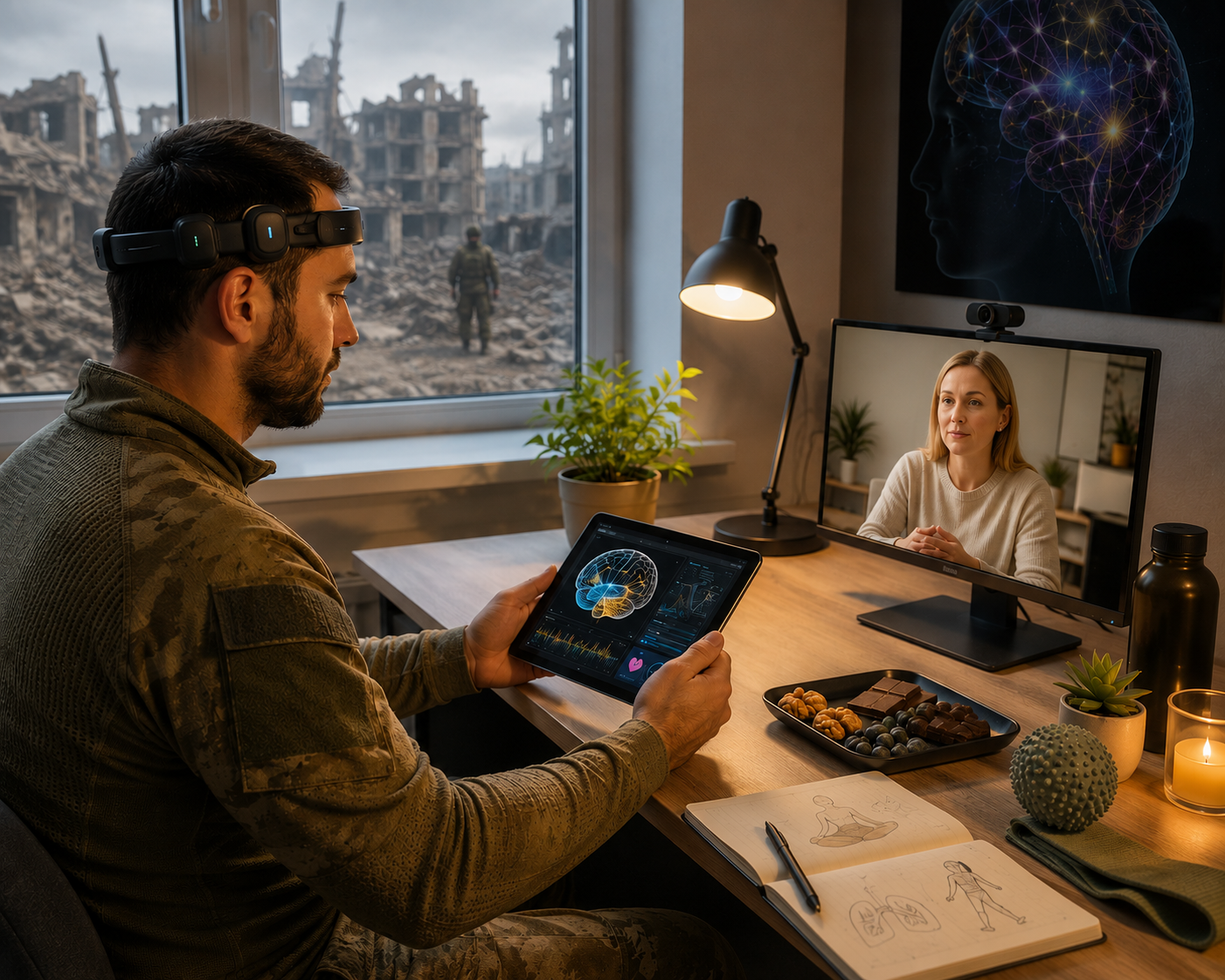
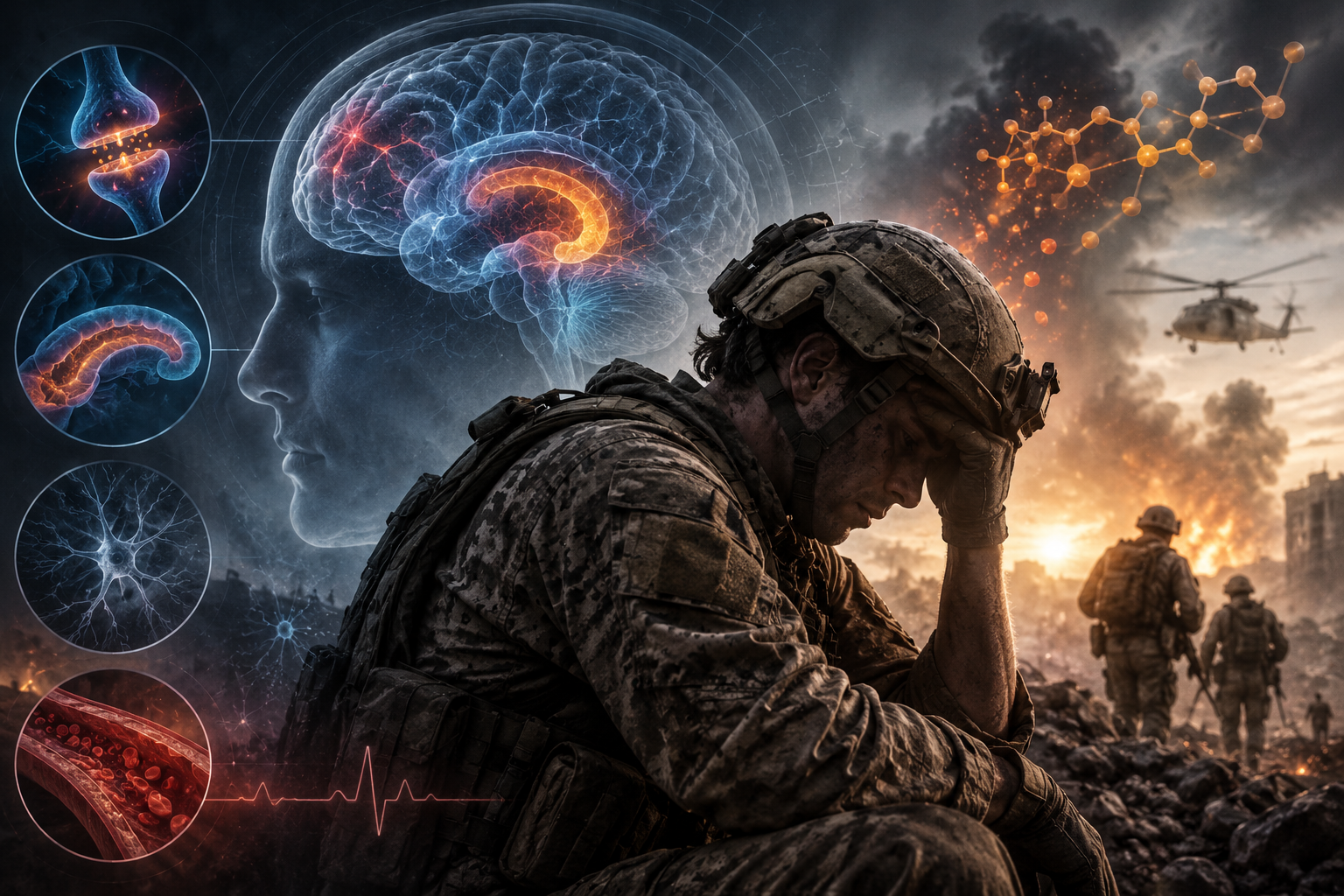
This narrative review presents a comprehensive theoretical and methodological analysis of the neurophysiological mechanisms underlying the formation of stress and depressive states under conditions of military conflict. It aims to conceptualise a multimodal model of neurorehabilitation and to substantiate neurorehabilitation as a systemic approach to psychological support and self-help. The proposed framework integrates biochemical and structural approaches to optimising brain function with artificial intelligence (AI) technologies and emerging (currently experimental) tools from digital psychiatry and AI-assisted mental healthcare. The review is based on a synthesis of contemporary evidence from neurobiology, cognitive behavioural therapy, neuroplasticity research, and machine learning. It clearly distinguishes between clinically validated interventions (e.g., cognitive behavioural therapy and aerobic exercise) and emerging or hypothetical approaches, such as AI-assisted detection of putative neurobiological imbalances and automated prediction of depression risk. A systems approach was applied to analyse the interaction of neurotransmitter systems (GABA, glutamate, serotonin, dopamine) and structural components of the brain (amygdala, hippocampus, prefrontal cortex) under conditions of extreme wartime stress, and to identify the role of AI in the personalisation of neurorehabilitation protocols, monitoring emotional states through natural language analysis, and creating adaptive environments for cognitive correction. The article systematises neurorehabilitation methods distributed according to levels of influence: physiological (breathing practices, nutritional support), cognitive (narrative therapy, modification of mental attitudes), and behavioural (activation of the left hemisphere through motor activity). It is demonstrated that the integration of these methods makes it possible to use neuroplasticity for the “dismantling” of traumatic neural circuits through digital AI tools, the authors argue that successful rehabilitation in wartime situations is possible only with a transition from passive experiencing/living through trauma to active “reprogramming” of the brain. The material proposes a holistic conceptual model of self-help in which a person acts as an active subject of neurobiological change, the conclusions of the article have practical significance for psychotherapists, volunteers, and individuals experiencing chronic stress, providing them with scientifically grounded tools for maintaining mental health.
Disclaimer: This image was generated using artificial intelligence and may contain inaccuracies or inconsistencies.
It is provided solely as a visual aid to facilitate the rapid understanding of the key ideas presented
in this article. Our editorial team conducts ongoing reviews of AI-generated images and will correct
or replace them whenever an error or discrepancy is identified or reported.
Authors:
Cristina
Gabriela Schiopu
, Alexandra
Bolos
, Oriana
Maria Onicescu
, Dan
Catalin Oprea
, Cristinel
Stefanescu
Abstract:
PANDAS and PANS are paediatric neuropsychiatric constructs, with limited evidence for related patterns in adulthood. We examined whether current antistreptolysin O (ASO) titres covaried with PANS/PANDAS-relevant symptoms in 50 psychiatric patients aged 18–34 years selected using a pragmatic history consistent with previous streptococcal exposure. Participants completed an investigator-adapted Romanian PANS 31-item symptom rating scale; routine EEG and clinical covariates were recorded. Continuous ASO was analysed against the total score and ten study-defined domains using Spearman correlations, bootstrap confidence intervals and Benjamini–Hochberg correction; item-level and clinical-context analyses were exploratory. ASO showed a modest association with the total score (rho=0.305, p=0.031), whereas the ≥200-IU/mL contrast was nonsignificant and the association attenuated after adjustment for paediatric psychiatric history. The strongest multiplicity-robust associations involved tics (rho=0.496, q=0.0025) and cognitive/motor symptoms (rho=0.421, q=0.0117); vocal tics were the only item surviving correction across 31 items. Higher ASO was also associated with paediatric psychiatric history and recorded autoimmune pathology, while routine EEG did not independently converge with symptom findings. Total-scale internal consistency was low (alpha=0.535). These cross-sectional findings support a narrow, hypothesis-generating association between streptococcal seroreactivity and selected PANS/PANDAS-relevant symptom dimensions in young adults, but do not establish adult PANDAS, active neuroinflammation, or ASO as a diagnostic biomarker.
Disclaimer: This image was generated using artificial intelligence and may contain inaccuracies or inconsistencies.
It is provided solely as a visual aid to facilitate the rapid understanding of the key ideas presented
in this article. Our editorial team conducts ongoing reviews of AI-generated images and will correct
or replace them whenever an error or discrepancy is identified or reported.
Authors:
Ahmed
Adel Mansour Kamar
, Ioannis
Mavroudis
, Roxana
Cojocariu
, Alin
Ciobica
, Bogdan
Gurzu
, Otilia
Novac
, Bogdan
Novac
, Mihai
Hogas
Abstract:
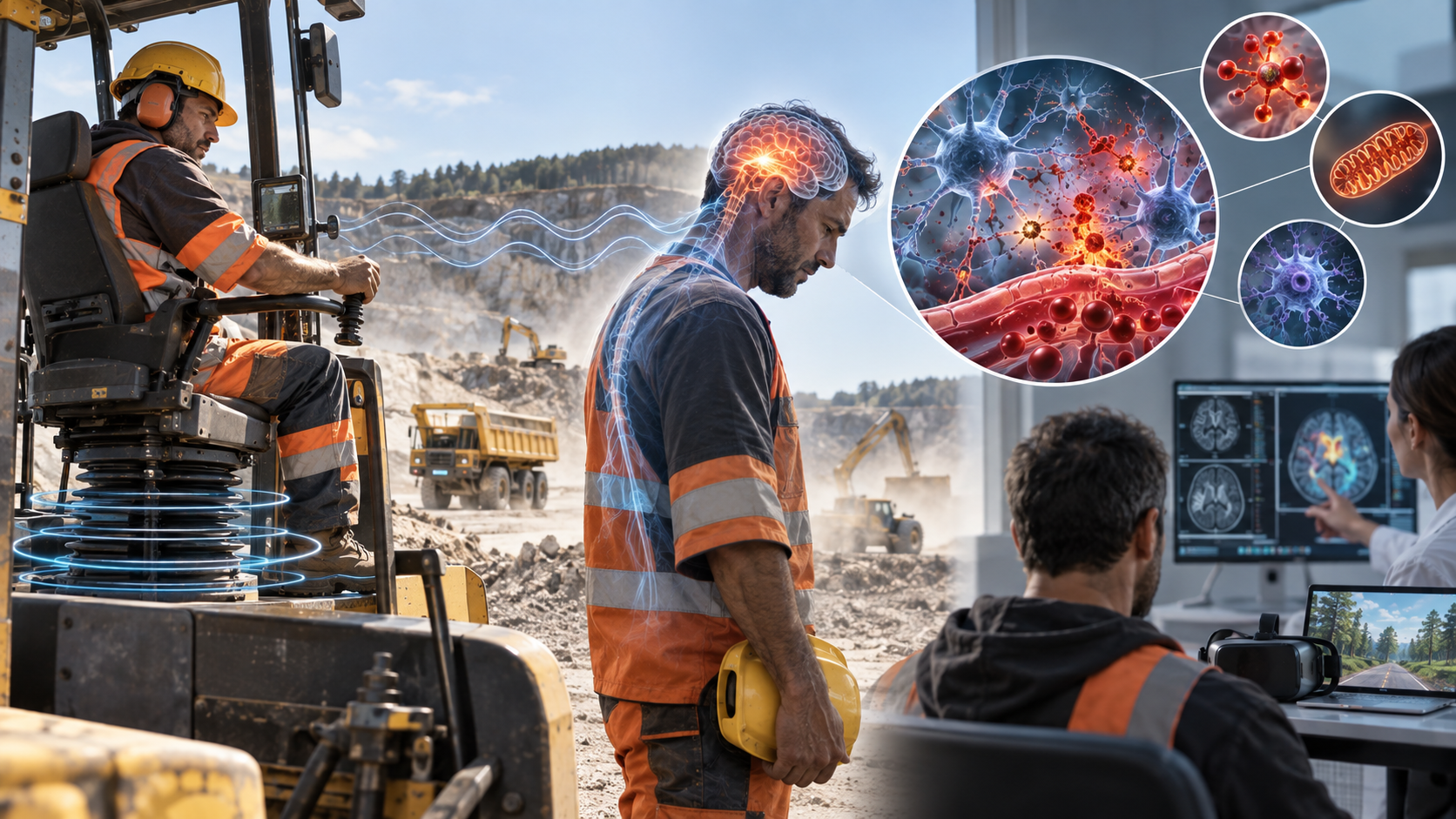
Long-term occupational exposure to low-frequency whole-body vibration (WBV) is a recognised risk factor for musculoskeletal disorders. Given that mechanical forces are transmitted systemically, similar effects may plausibly extend to the central nervous system (CNS), although this remains insufficiently investigated. Emerging evidence suggests that WBV exposure may act as a source of repetitive subclinical brain microtrauma, described as minimal (mi-TBI). These low-intensity insults do not produce immediate clinical symptoms or detectable abnormalities on conventional neuroimaging (CT or MRI), but may accumulate and contribute to delayed neuronal dysfunction and long-term neurological consequences. Oxidative stress appears to be central to this process. Increased reactive oxygen species production, combined with impaired antioxidant defenses, may induce lipid peroxidation, mitochondrial dysfunction, neuroinflammation, and blood–brain barrier disruption. Similar mechanisms are established in vibration-exposed peripheral tissues, supporting the plausibility of analogous CNS effects. This review examines the hypothesis that chronic WBV exposure contributes to CNS oxidative imbalance and early neurodegenerative processes. Particular emphasis is placed on oxidative stress biomarkers—including malondialdehyde (MDA), superoxide dismutase (SOD), glutathione peroxidase (GPx), and catalase (CAT)—as potential tools for detecting subclinical brain alterations. Additionally, neurofunctional evaluation and emerging technologies such as virtual reality–based tools, are highlighted for detecting subtle cognitive changes. By integrating mechanistic, molecular, and occupational perspectives, we propose a conceptual framework in which WBV is considered a potential source of subclinical mild traumatic brain injury (m-TBI). However, this hypothesis remains supported primarily by indirect evidence and requires validation in human occupational studies.
Disclaimer: This image was generated using artificial intelligence and may contain inaccuracies or inconsistencies.
It is provided solely as a visual aid to facilitate the rapid understanding of the key ideas presented
in this article. Our editorial team conducts ongoing reviews of AI-generated images and will correct
or replace them whenever an error or discrepancy is identified or reported.
Authors:
Eva
Maria Elkan
, Lăcrămioara
Ilie
, Cristina
Munteanu
, Nicoleta
Andreea Tovîrnac
, Monica
Laura Zlati
, Diana
Andreea Ciortea
, Anamaria
Ciubara
Abstract:
Armed conflicts cause social disorganisation, loss of control and loss of predictability, alongside social rearrangements that impact security and the survival of children in times of war. Providing effective support for the life adjustment of children after the traumatic impact belligerency needs the combined efforts of specialists in epidemiology, public health, mental health, paediatrics, psychiatry, anthropology, sociology and social care. The internal and external migrations driven by the multiple interacting crises will also lead to the dissolution and fragmentation of families, to the disruption of the individual goals of each family member and the educational needs of children will be one of the most affected. Children’s perception of war will shake their trust in adults and social interactions outside of the family will be perceived as threatening. Consequently, in the future children will need courage to rebuild meaningful social relationships and to find new meaning in their lives. Children and families need to restore trust and a sense of dignity. Psychiatrists will be aware of the symptoms arising from collective trauma, understanding that these are not always the manifestation of an intrinsic psychiatric disorder, and that they may resolve when the traumatic event is processed within an existential framework. The struggle for immediate survival will be deeply ingrained in their psyche, and the death of close relatives such as mother, father, brothers and sisters will influence their existential on long term. The role of specialists is to help children regain a sense of meaning in their lives. Overcoming feelings of collective guilt can be achieved through action and through a proactive attitude towards peace.
Disclaimer: This image was generated using artificial intelligence and may contain inaccuracies or inconsistencies.
It is provided solely as a visual aid to facilitate the rapid understanding of the key ideas presented
in this article. Our editorial team conducts ongoing reviews of AI-generated images and will correct
or replace them whenever an error or discrepancy is identified or reported.
Authors:
Oana
Georgiana Oprea
, Ioana
Miruna Balmus
, Bogdan
Gurzu
, Lucian
Gorgan
, Alin
Ciobica
, Antoneta
Dacia Petroaie
, Bogdan
Novac
, Otilia
Novac
Abstract:
Aggressive behaviour is a complex behavioural phenotype influenced by the dynamic interaction of genetic, environmental, and epigenetic factors. Genetic studies identified key genes, including SHANK3, MAOA, SLC6A4, and genes encoding oxytocin and arginine-vasopressin receptors, involved in neurotransmitter systems processes. Variations in these genes can lead to behavioural disturbances. Environmental factors influence the complexity of gene–environment interactions in the regulation of aggressive behaviour. The epigenetic research has revealed diverse factors and mechanisms that can alter gene expression patterns associated with aggressive behaviour. The zebrafish (Danio rerio) is increasingly being used as a model organism for studying these mechanisms, due to their high genetic homology with humans and suitability for complex behavioural assays. The aim of this narrative review is to integrate, synthesise and enhance the understanding of the interplay between genetic, epigenetic, and environmental regulation of aggressive behaviour, while highlighting how zebrafish models offer valuable insights into the molecular and neural basis of aggression, with potential translational relevance to neurobehavioural disorders.
Disclaimer: This image was generated using artificial intelligence and may contain inaccuracies or inconsistencies.
It is provided solely as a visual aid to facilitate the rapid understanding of the key ideas presented
in this article. Our editorial team conducts ongoing reviews of AI-generated images and will correct
or replace them whenever an error or discrepancy is identified or reported.
Authors:
Bogdan
Pavlovici
, Luminița
Pavlovici
Abstract:
Highly problematic post-divorce parental conflict represents a growing clinical challenge, with significant consequences for the child’s wellbeing. Conventional approaches, which includes individual child therapy, single-parent interventions, and legal proceedings, have shown limited efficacy, in part because they fail to address the systemic and neurobiological dimensions of the most problematic of conflicts. This paper presents the No Kids in the Middle (NKM) protocol - a structured, group-based interdisciplinary intervention developed in the Netherlands for families embedded in high-conflict post-divorce situations, from the complementary perspectives of a family lawyer and a child psychiatrist. The NKM protocol engages groups of six couples in parallel with a children's group, led by pairs of co-therapists, across a structured sequence of eight sessions. Key features include the simultaneous engagement of parents and children, dedicated sessions with each parent's wider social network, an explicitly experiential therapeutic approach, and a systemic reframing of parental conflict behaviour as a neurobiological response to chronic stress rather than a volitional character deficit. The NKM approach offers a coherent and clinically promising response to a population subgroup that consistently overwhelms conventional professional frameworks. Its interdisciplinary applicability spans psychiatry, social work, law, and education, and makes it particularly suited to the systemic nature of the problem it addresses.
Disclaimer: This image was generated using artificial intelligence and may contain inaccuracies or inconsistencies.
It is provided solely as a visual aid to facilitate the rapid understanding of the key ideas presented
in this article. Our editorial team conducts ongoing reviews of AI-generated images and will correct
or replace them whenever an error or discrepancy is identified or reported.
Authors:
Nataliia
Sablina
, Taras
Kulakovskyi
, Hanna
Yavorska
, Maksym
Yavorskyi
, Serhii
Mordiushenko
, Iryna
Ievtushenko
Abstract:
Combat operations are a comprehensive test for military personnel serving in regional and local armed conflicts. The tragic consequences of war extend beyond the high number of those killed, wounded, and maimed. Combat stress plays a significant role in operational losses, as it substantially reduces the combat effectiveness of troops. Factors in the combat environment have a strong psychotraumatic effect, disrupting the balance between adaptive mechanisms and the external world. This disruption explains the specific nature of the stress disorders that develop under such conditions. From a conceptual perspective, combat stress should be viewed not merely as a temporary reaction, but as a systemic neurobiological restructuring of the organism. Prolonged emotional pressure triggers a cascade of destructive processes, ranging from neuroendocrine imbalance to structural changes in cerebral vessels. It may increase the risk of strokes and heart attacks, even in individuals with a healthy diet. Emotional responses to stress vary widely among military personnel and are influenced by individual characteristics. Hormonal regulation plays a central role in this process. Stressful situations provoke an excessive release of cortisol, which may become neurotoxic with prolonged exposure. Increased cortisol levels can impact neurogenesis (the formation of new neurones), particularly in the hippocampus, thereby directly impairing a soldier’s cognitive flexibility and capacity to learn under combat conditions.
Disclaimer: This image was generated using artificial intelligence and may contain inaccuracies or inconsistencies.
It is provided solely as a visual aid to facilitate the rapid understanding of the key ideas presented
in this article. Our editorial team conducts ongoing reviews of AI-generated images and will correct
or replace them whenever an error or discrepancy is identified or reported.
Authors:
Nataliia
Mateiko
, Liudmyla
Ivantsev
, Myroslava
Hasiuk
, Liliia
Krykun
, Nataliia
Sablina
, Yurii
Kashpur
Abstract:
The article presents a study that determines what emotional burnout and emotion are in general, and how we can help our subjects in overcoming emotional stress. A personєs life is coloured by various emotions, like an artist’s painting. Someone uses only dark tones, while someone’s life plays with all the colours of the rainbow. After all, emotions are our inner “magic box”, thanks to which we are able to relive pleasant moments again and again, but at the same time repeat different negative experiences. It is well established that emotions exert a stronger influence on behaviour than rational processes. Therefore, in a stressful situation, many people find it difficult to make appropriate decisions. Many confuse emotions and feelings. Emotions originate in the oldest part of the brain – the limbic system. Feelings, on the other hand, are controlled by the neocortex – its youngest part. Following an action, individuals may initially experience anger, which may later be accompanied by feelings of shame. Empirical research was conducted in 2024 on the basis of psychological support centres and military units and involved 60 respondents with experience in combat operations. The cognitive sphere and the level of reflexivity were assessed using specialised psychodiagnostic instruments (mini-questionnaires). The findings demonstrated that 70.6% of respondents were theoretically familiar with the concept of reflection, whereas only 52.9% reported systematically applying self-analysis in practice. A high level of general awareness regarding the essence of sanogenic thinking was identified (82.4%). At the same time, a considerable lack of understanding of the underlying cognitive mechanisms was revealed: 88.2% of respondents failed to recognise the direct relationship between reflexive processes and the maintenance of mental health. In addition, 80.0% of military personnel confirmed an urgent need for training aimed at developing skills in sanogenic cognitive modelling.
Disclaimer: This image was generated using artificial intelligence and may contain inaccuracies or inconsistencies.
It is provided solely as a visual aid to facilitate the rapid understanding of the key ideas presented
in this article. Our editorial team conducts ongoing reviews of AI-generated images and will correct
or replace them whenever an error or discrepancy is identified or reported.
Authors:
Lăcrămioara
Ilie
, Eva
Maria Elkan
, Diana
Ciortea
, Angel
Liviu Trifan
, Gabriela
Stoleriu
, Cristina
Animarie Mărăndel
, Laura
Cristescu Budală
, Carina
Voinescu
, Anamaria
Ciubara
Abstract:
The perception of parents regarding the new lifestyle of the adolescents are influenced by the range of potentially addictive substances and behaviours to which the teenagers may be exposed, with parents perceiving more threat in the environment than in the past. The distrust of teenagers in the closest people and friends determines a greater anchoring toward the parents. Parent-adolescent discussions are often challenging and require tact and help them develop the social competences needed to make responsible choices without fear of social failure. We aimed to investigate parents' feelings and concerns, as well as their protective attitudes regarding their children's future. The aim of this study was also action of parental awareness thus improving parental perception, and to offer models of dialogue with the adolescents to the parents, and in this way finally it brings reliable solutions and are preventing the needs of the establishment of long-term psychiatric treatments. Parents' greatest fears are cardiac and neurological diseases that can lead to long-term sequelae and affect adolescents' functioning; at the same time, perceived parental failure may lead to blockages that can be difficult to overcome. Preventing major decompensations is essential, and psychoeducation and the parental perseverance are the key to creating a safe environment and maintaining a balance between adolescents’school and emotional lives,preparing them to become a responsible adult who can later build their own family and care for their own children.
Disclaimer: This image was generated using artificial intelligence and may contain inaccuracies or inconsistencies.
It is provided solely as a visual aid to facilitate the rapid understanding of the key ideas presented
in this article. Our editorial team conducts ongoing reviews of AI-generated images and will correct
or replace them whenever an error or discrepancy is identified or reported.
Authors:
Gianluca
Scarchillo
, Lidia
Ricci
, Ionut
Virgil Serban
, Giulia
Ciancarella
, Serafino
Ricci
, Lorena
Bassis
, Pasquale
Ricci
Abstract:
The right to oncological forgetting is a protective measure aimed at ensuring non-discrimination for individuals who have recovered from cancer and at safeguarding their right not to disclose past health information, particularly in contractual, insurance, and employment contexts. However, its practical application raises several legal issues concerning access to medical records and the role of caregivers, who are often involved in managing the patient’s care. Access to medical records is also crucial for continuity of care and the exercise of rights, raising ethical and legal questions related to confidentiality, representation, and informed consent—from diagnosis through post-treatment. The interaction of these three domains requires a balance between privacy protection, administrative simplification, and the centrality of the cancer survivor. This article/project reflects on the evolution of legislation and its practical implications for patients, families, and healthcare professionals, highlighting the need for shared comparative pathways and clear guidelines.
Disclaimer: This image was generated using artificial intelligence and may contain inaccuracies or inconsistencies.
It is provided solely as a visual aid to facilitate the rapid understanding of the key ideas presented
in this article. Our editorial team conducts ongoing reviews of AI-generated images and will correct
or replace them whenever an error or discrepancy is identified or reported.
Authors:
Gabriela
Rahnea Nita
, Alexandru
Bogdan Ciubara
, Mihai
Teodor Georgescu
, Laura
Florentina Rebegea
, Dan
Ilie Damboiu
, Anamaria
Ciubara
, Rares
Nicolae Vadana
, Laurentiu
Tony Hangan
, Andreea
Georgia Cernea
, Ionut
Simion Coman
, Roxana
Andreea Rahnea-Nita
Abstract:
Introduction: Fear of progression, anxiety and depression are highly interconnected in breast cancer patients and survivors, and they shape adaptation to the disease.
Materials and Methods: This observational, cross-sectional, multicentre, non-interventional study was conducted in two hospitals in Romania during one month (July 2026). A total of 120 patients with breast cancer were assessed with three questionnaires: the Hospital Anxiety and Depression Scale (HADS), the Illness Cognition Questionnaire (ICQ) and the Short Fear of Progression Questionnaire (FoP-12).
Results: Anxiety reached at least the borderline band in 58 patients (48.3%) and depression in 59 patients (49.2%). Fear of progression was dysfunctional in 46 patients (38.3%). High acceptance (64, 53.3%) and high perceived benefits (61, 50.8%) each described about half the sample, whereas high helplessness was uncommon (10, 8.3%).
Discussion: Anxiety and depression were strongly related (ρ = .77, 95% CI [.67, .84], p < .001). Helplessness, anxiety, depression and fear of progression were all significantly and positively intercorrelated, with coefficients from .27 to .77, all q < .01.
Conclusions: Anxiety, depression and fear of progression were common and closely interrelated, whereas differences between patient subgroups were few and modest once multiple testing was taken into account. These findings are exploratory and support routine psychological screening of breast cancer patients, but they do not identify established risk factors.











 ▲
▲